Buddhist Heritage Tour of Pakistan (2026) – 12 Days & 11 Nights
Embark on a spiritual journey through time as you follow the sacred footsteps of Lord Buddha across ancient Gandhara — the cradle of Mahayana Buddhism.
About this journey
Embark on a spiritual journey through time as you follow the sacred footsteps of Lord Buddha across ancient Gandhara — the cradle of Mahayana Buddhism. This 12-day pilgrimage tour takes you to some of the most revered Buddhist archaeological sites in Pakistan, where the great Buddhist civilization once flourished over two thousand years ago.
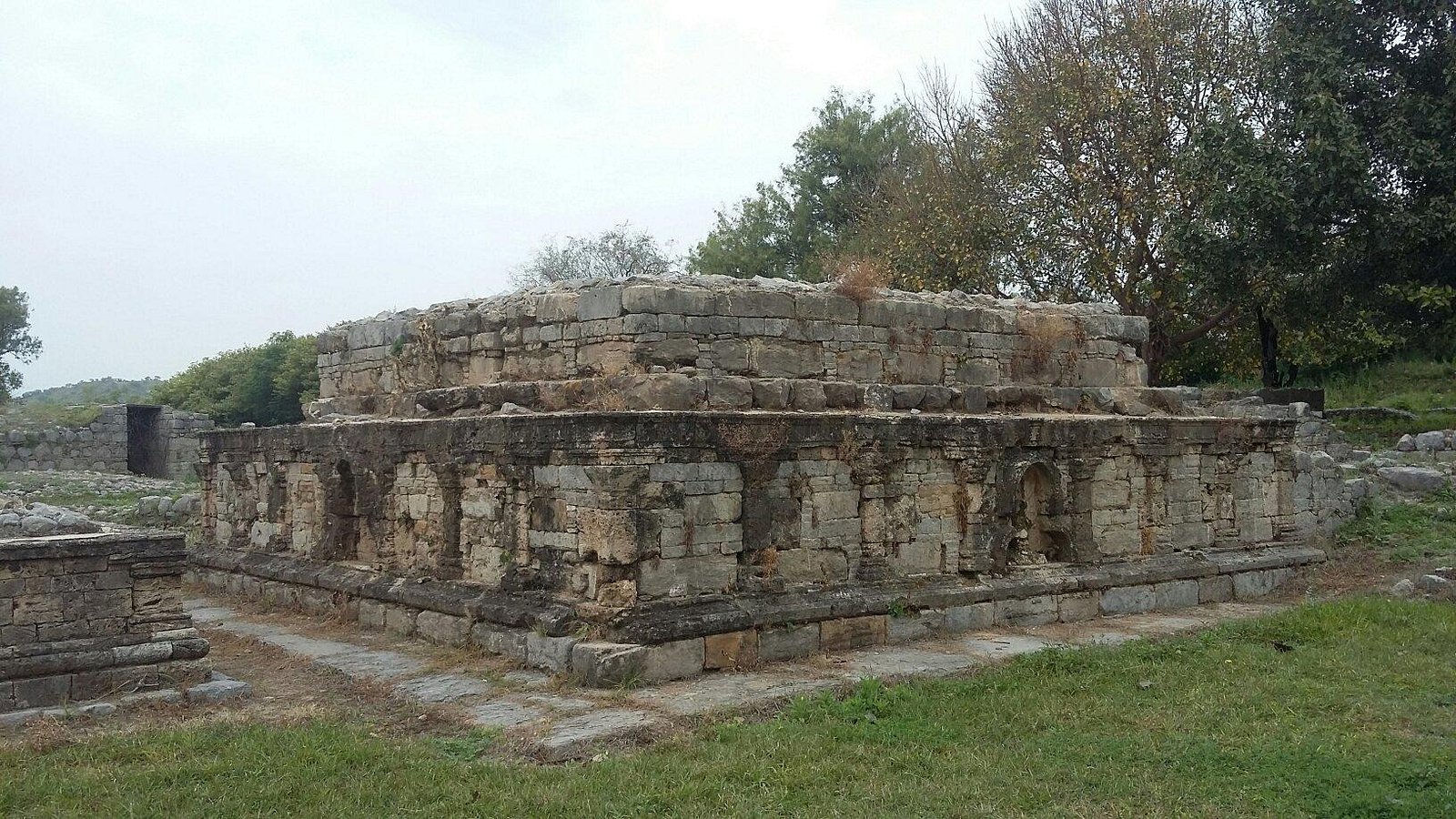
Visit the ancient university ruins of Taxila, the magnificent Dharmarajika and Jaulian stupas, the rock carvings of Swat, and the sacred Bhamala and Takht-i-Bahi monasteries. Witness beautifully preserved sculptures, relics, and stupas that reflect the deep Buddhist heritage of the region. Travel through serene valleys, interact with local historians, and explore UNESCO World Heritage Sites that have shaped the cultural and spiritual landscape of South Asia.
Perfect for monks, scholars, spiritual seekers, and cultural travelers, this journey offers both peaceful reflection and immersive learning — all within the majestic backdrop of Pakistan’s Gandhara region.
Day by day
1Day 1: Arrival in Islamabad
Arrive at Islamabad International Airport where our team will welcome you and transfer you to your hotel. Take the day to rest after your journey. Overnight stay in Islamabad.
2Day 2: Taxila & Peshawar (Drive Time: 4–5 hours total)
Begin the pilgrimage with a visit to the UNESCO-listed Taxila ruins, including the Jaulian Monastery and Mohra Moradu. Then drive to Peshawar. In the evening, explore Gorkhatri, Shahji ki Dheri, and enjoy food at the historic Qissa Khwani Bazaar. Overnight stay in Peshawar.
3Day 3: Takht-i-Bahi & Drive to Swat (Drive Time: 4–5 hours)
Visit the famous Takht-i-Bahi Buddhist monastery in Mardan, followed by a stop at Oddiyana (legendary land of origin of Vajrayana Buddhism). Continue onward to Swat Valley. Overnight stay in Swat.
4Day 4: Buddhist Relics of Swat
Visit the Swat Museum, known for its extensive Gandhara-era Buddhist artifacts. Proceed to the ancient Buddhist carvings at Ranigat. Enjoy the alpine beauty of the region. Overnight stay in Swat.
5Day 5: Swat to Gilgit via Shangla Pass (Drive Time: 10–11 hours)
Early departure for Gilgit via Shangla Pass and Besham. Along the way, stop to view Buddhist rock engravings in Shatial and Chilas. Arrive in Gilgit by evening. Overnight stay in Gilgit.
6Day 6: Gilgit to Hunza via Kargah Buddha (Drive Time: 3–4 hours)
Explore the Kargah Buddha, a 7th-century rock-carved image of Maitreya Buddha. Drive along the Karakoram Highway to reach Hunza. Visit the Hunza bazaar and local handicraft shops. Overnight stay in Hunza.
7Day 7: Explore Hunza – Baltit & Altit Forts
Visit Baltit and Altit Forts, learn about the history of Buddhism’s influence in Hunza, and take in the incredible views of snow-covered peaks from Duikar viewpoint. Overnight stay in Hunza.
8Day 8: Hunza to Skardu (Drive Time: 6–7 hours)
Drive from Hunza to Skardu along a scenic mountain route. Visit Manthal Buddha Rock—an ancient Buddhist engraving near Skardu. Check in and relax. Overnight stay in Skardu.
9Day 9: Explore Skardu
Visit Shangrila Resort, Upper Kachura Lake, and the Skardu Bazaar. Optional visit to Shigar Fort or Kharpocho Fort. Overnight stay in Skardu.
10Day 10: Fly to Islamabad
Transfer to Skardu Airport and take a domestic flight to Islamabad. After arrival, visit Centaurus Mall and enjoy a guided food tour. Overnight stay in Islamabad.
11Day 11: Explore Islamabad – Cultural & Historical Tour
Explore Pakistan’s capital, including Faisal Mosque, Pakistan Monument, Lok Virsa Museum (home to Buddhist relics), Saidpur Village, and a sunset dinner at Monal Restaurant. Overnight stay in Islamabad.
12Day 12: Departure
Transfer to Islamabad Airport for your onward flight. End of pilgrimage.
What you will experience
- A spiritual journey through ancient Buddhist heritage sites across Pakistan
- Explore UNESCO World Heritage sites like Taxila, Takht-i-Bahi, and Mohra Moradu
- Visit Peshawar, Swat, and Gilgit museums filled with Gandhara art and Buddhist relics
- Witness rock carvings, stupas, and monasteries carved into the cliffs of Gilgit and Skardu
- Experience Pakistan’s cultural diversity, natural beauty, and warm hospitality
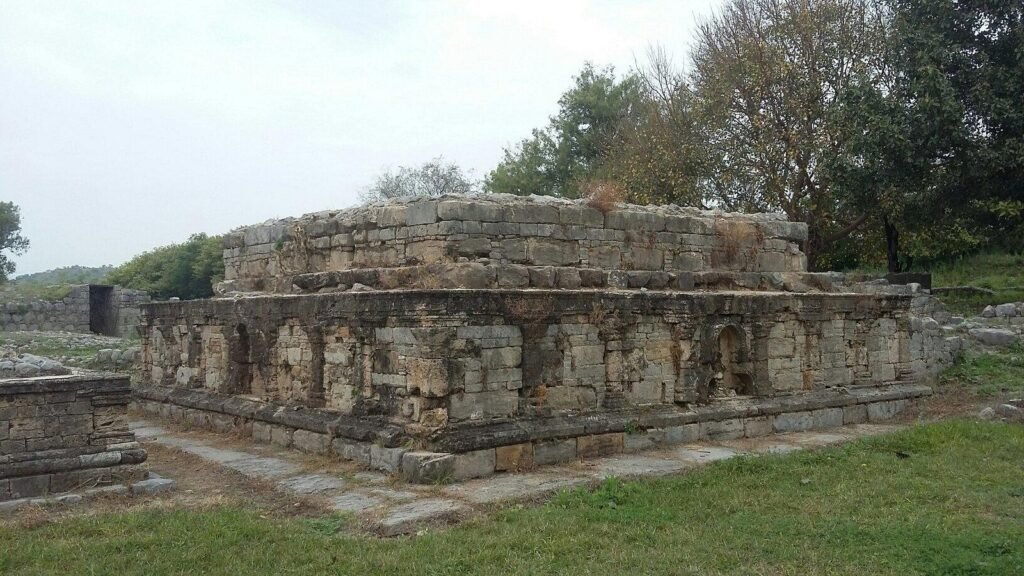
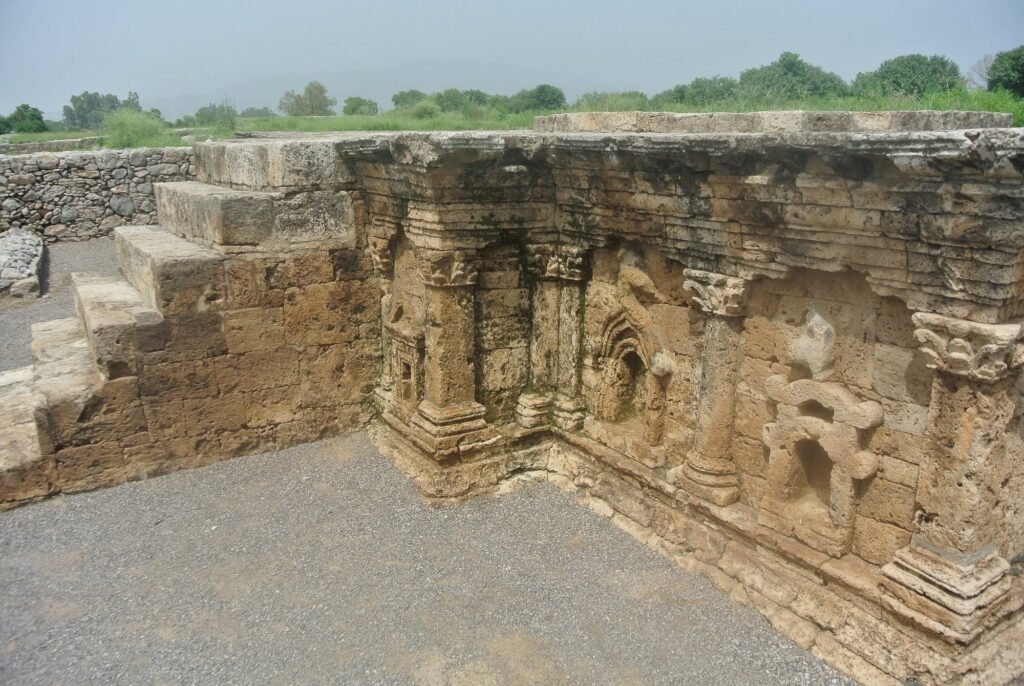
The Gandhara sites you will see

What to bring
A practical starting point for this trip. Your guide will send a final, weather-checked list two weeks before departure.
Documents & essentials
- Passport valid 6+ months, plus photocopies stored separately
- Pakistan visa or e-visa confirmation printout
- Travel insurance certificate (mandatory — must cover altitude if trekking)
- Flight tickets and this itinerary, printed and on your phone
- Cash in USD or EUR for exchange; cards are not widely accepted outside major cities
- Passport-sized photographs for permits and hotel registration
Clothing
- Layered clothing — northern valleys are cool at night even in summer
- Fleece or insulated jacket for high passes such as Khunjerab and Babusar
- Light waterproof jacket
- Comfortable walking shoes plus sandals or trainers
- Modest clothing covering shoulders and knees for mosques, forts and villages
- A scarf or shawl (women should carry one for religious sites)
- Sun hat and sunglasses — UV is intense at altitude
Health & personal care
- Personal medication with a copy of the prescription
- Basic first-aid kit: blister plasters, painkillers, antihistamine, rehydration salts
- Anti-diarrhoeal and a broad-spectrum antibiotic if your doctor advises it
- High-factor sunscreen (SPF 50) and SPF lip balm
- Insect repellent
- Hand sanitiser and wet wipes
- Toilet paper — not reliably supplied outside hotels
Electronics
- Universal adapter — Pakistan uses type C and D sockets, 230 V
- Power bank; mains power is intermittent in mountain areas
- Camera with spare batteries — cold drains them quickly
- Phone with offline maps downloaded before departure
Good to have
- Reusable water bottle to reduce plastic waste
- Small padlock for luggage
- Snacks you like — choice is limited outside cities
- Earplugs and eye mask for long drives and shared lodges
- A small gift or postcards from home if you plan to visit local families
Before you travel
Best Time to Visit the Gandhara Buddhist Heartland
The Gandhara region — stretching from Taxila and Rawalpindi north through Peshawar and up into the verdant Swat Valley — rewards visitors across much of the year, though two golden windows stand out. Understanding the seasons will help you decide when your journey through this extraordinary Buddhist cultural landscape will be at its finest.
Spring (April to May) is perhaps the most celebrated time to visit. Temperatures across the plains around Taxila and Peshawar sit comfortably between 18°C and 28°C, the almond and cherry trees are in full blossom throughout the Swat Valley, and the ancient ruins emerge from their winter quiet into crystalline, camera-perfect light. The morning hours at Taxila’s Dharmarajika and Mohra Moradu stupas — when the warm spring sun catches the stonework and the air still carries a freshness from the overnight cool — are among the most magical experiences Pakistan offers the cultural traveller. Roads through Khyber Pakhtunkhwa are in excellent condition after winter, and the valley floors are green and alive.
Early summer in June sees the plains warm rapidly, with midday temperatures in Peshawar reaching 35°C to 38°C, but the Swat Valley at altitude remains pleasantly cooler throughout the month. June brings the advantage of dramatically lower visitor numbers — you may find yourself exploring the Butkara Stupa or the galleries of the Peshawar Museum in near solitude. July and August bring the monsoon’s outer influence to parts of KPK, though rainfall here is lighter than in the Punjab. Swat Valley transforms into an almost impossibly lush landscape in high summer, with waterfalls cascading above Mingora and wildflowers carpeting the hillsides above Malam Jabba.
September and October represent the second and arguably most rewarding peak season. Temperatures across the plains moderate to 22°C to 32°C, and the valleys settle into a warm, clear-aired perfection — 14°C to 22°C — that invites long mornings at the ruins and leisurely afternoons in the bazaars. The harvest season brings pomegranates, walnuts, figs and sweet apples to every roadside stall and the amber autumn light transforms Taxila’s stonework into something approaching the transcendent. Domestic tourist numbers fall significantly after the Eid holidays and accommodation becomes easier to secure at short notice.
Winter visits from November through to February are rewarding for the lowland sites, particularly Taxila and Peshawar, where January temperatures hover around 8°C to 14°C — cool and invigorating, but manageable with warm layers. The Peshawar Museum’s extraordinary Gandharan sculpture collection is a joy to explore when the galleries are spacious and unhurried. The upper Swat Valley and the Malakand Pass can see snowfall from December onwards, so winter itineraries typically focus on the lower sites and the rich museum collections of Peshawar and Islamabad.
Travel Tips for UK Visitors
British passport holders require a visa to enter Pakistan. The Pakistan Tourist e-Visa is available online through visa.nadra.gov.pk and costs approximately £35 to £45 for a 30-day single-entry visa. Processing typically takes three to five working days, though applying at least two weeks before departure is strongly advised to allow time for any queries. A 90-day multiple-entry tourist visa is also available for travellers planning longer or repeated visits. Our team can advise on the latest visa requirements, which do occasionally change, and will flag any updates relevant to your departure date.
There are no direct flights from the UK to Pakistan’s northern cities, but excellent connections operate from London Heathrow (LHR), Manchester (MAN) and Birmingham (BHX) to Islamabad International Airport (ISB) with Emirates via Dubai, Qatar Airways via Doha, Turkish Airlines via Istanbul and Etihad via Abu Dhabi. Total door-to-door journey time including your stopover is typically between 14 and 17 hours. Islamabad has short and reliable domestic connections to Peshawar and Lahore via Pakistan International Airlines (PIA) and Air Sial — your tour includes all necessary internal transfers and our team will advise on any domestic flight components.
Pakistan uses the Pakistani Rupee (PKR). The exchange rate for pounds sterling has historically ranged between 340 and 370 PKR per pound, though this fluctuates — check the live rate in the week before you travel. Cash is the primary means of payment throughout the Gandhara region and the Swat Valley; while major hotels and upmarket restaurants in Islamabad and Peshawar accept Visa and Mastercard, guesthouses, bazaar merchants, local restaurants and site entrance kiosks are almost universally cash-only. Withdraw a generous supply of rupees from Islamabad ATMs (Standard Chartered, HBL and Meezan are reliable) before heading north, as ATMs in Swat and smaller towns can be unreliable or out of service.
A local SIM card from Jazz, Telenor or Zong provides excellent 4G coverage across all cities and most valleys on this itinerary and costs approximately £3 to £5 including an initial data allowance. Purchase one at the arrivals hall of Islamabad International Airport — bring your passport as SIM registration is required by law. WhatsApp, Google Maps and offline translation apps will become indispensable throughout the journey. Travel insurance covering international medical evacuation, trip cancellation, delayed baggage and personal liability is not optional on this tour — it is a firm requirement. Ensure your policy explicitly covers Pakistan and check the FCDO travel advisory at gov.uk/foreign-travel-advice/pakistan before departure.
Accommodation on This Tour
Your twelve-day journey through the Gandhara heartland is supported by a carefully curated selection of comfortable hotels and characterful guesthouses chosen for their quality, location and the depth of service they offer cultural travellers.
In Islamabad, your first and final nights are spent at a four-star city hotel in the diplomatic enclave or the F-6 to F-8 sectors — properties of the standard of the Marriott Islamabad, the Serena Islamabad or the Islamabad Club. These offer spacious, well-appointed rooms, reliable high-speed Wi-Fi, international restaurants, fitness facilities and the kind of attentive Pakistani hospitality that immediately sets the tone for the journey ahead. Islamabad is a green, orderly and genuinely pleasant capital; your hotel is an excellent base for the first day’s excursion to Taxila.
For Taxila’s archaeological sites — the Dharmarajika Stupa, the Jaulian Monastery, Mohra Moradu and the Taxila Museum — accommodation is arranged in Rawalpindi or at a well-regarded guesthouse within easy reach of the excavation zones. Rooms are en-suite with air-conditioning and the package includes breakfast. Proximity to the sites means you can arrive at dawn, before the midday sun and the day-tour coaches, when Taxila is at its most peaceful and atmospheric.
Peshawar warrants two full nights on any serious Gandhara itinerary and your tour allocates exactly that. The Pearl Continental Peshawar or a comparable four-star property in the University Town or Hayatabad districts provides a secure, comfortable base with international restaurants, 24-hour room service and reliable Wi-Fi. From here, the old bazaar quarter — Qissa Khwani, the Copper Bazaar, the Storytellers’ Market — is a fifteen-minute drive that feels like a journey of several centuries.
In the Swat Valley, two to three nights at a quality tourist lodge or hotel in and around Mingora or Saidu Sharif round out the tour’s accommodation profile. Properties of the calibre of the Swat Serena Hotel (when available) or well-regarded boutique lodges offer mountain views, pleasant garden settings and warm hospitality. The Swat Museum — with its outstanding collection of Gandharan sculptures found at Butkara and Nimogram — is within easy walking or driving distance of all Mingora accommodation.
Local Culture and Etiquette
The Gandhara region sits in Khyber Pakhtunkhwa, a province shaped by proud Pashtun traditions, centuries of Islamic culture and the remarkable ancient crossroads from which Gandharan Buddhist art emerged. Visitors who approach with genuine curiosity and thoughtful respect for local customs will be rewarded with extraordinary warmth and the kind of unhurried generosity that has defined Pakistani hospitality for generations.
Dress conservatively throughout the tour. Women should keep shoulders, arms and legs covered at all times when in public; a loose-fitting shalwar kameez — available for a few hundred rupees in any Peshawar bazaar and an excellent souvenir — is simultaneously respectful, practical and comfortable in the varying temperatures of the region. Men should avoid shorts except in trekking contexts. A lightweight headscarf for women is advisable when entering mosques, visiting more conservative bazaar quarters, or approaching any religious site, whether Islamic or Buddhist.
The ancient Buddhist stupas, monasteries and sculptures on this tour represent one of the world’s great artistic and spiritual legacies. Please refrain from touching, climbing or sitting on the ruins; even minor contact causes erosion to stone that has survived two millennia. Photography is permitted at most open-air sites. Some museum collections — including certain rooms at the Taxila Museum and the Peshawar Museum — charge a small photography fee payable at the entrance. Your guide will advise at each site.
Tipping is genuinely appreciated across Pakistan and is an important part of the service economy. A tip of 200 to 500 PKR (roughly £0.55 to £1.40) is appropriate for restaurant staff, hotel porters and drivers for good service; your lead guide merits a more substantial gesture at the end of the tour if the experience has been exceptional. When local people offer you chai, fresh fruit or homemade food along the way — and they will — accept graciously. These moments of impromptu hospitality are among the most vivid memories that travellers to Pakistan carry home.
Safety and Health Information
The Gandhara cultural circuit is among Pakistan’s most established and well-managed tourist routes and has welcomed international visitors safely for many decades. All Passage to Pakistan tours operate under the supervision of experienced, licensed local guides who carry satellite phones and maintain regular contact with our Islamabad operations centre and with local police throughout each day’s journey. All vehicles are properly maintained and insured, and our drivers are professional operators with extensive experience on these specific roads and mountain passes.
This twelve-day tour takes place almost entirely at low to moderate altitude — between 300 and 1,500 metres above sea level in the plains, rising to approximately 1,500 to 2,200 metres in parts of the Swat Valley. Altitude sickness is not a concern for the majority of the itinerary. If any extension of your tour takes you above 2,500 metres, pace your acclimatisation carefully, stay well hydrated and report any symptoms of headache, nausea or unusual fatigue to your guide immediately.
Medical facilities in Peshawar include Shaukat Khanum Memorial Cancer Hospital, Lady Reading Hospital and a number of reliable private clinics. Swat’s Saidu Sharif has a functional District Headquarters Hospital. Your guide carries a comprehensive first aid kit and holds a certified first aid qualification. For serious medical emergencies, evacuation to Islamabad is achievable by road or helicopter from most points on the route within two to four hours. Pakistan’s Rescue 1122 emergency service operates throughout Khyber Pakhtunkhwa and responds efficiently to medical and road emergencies. Your guide will share all relevant emergency contacts on the first morning of the tour.
Drink bottled water exclusively throughout your stay — it is widely available, inexpensive and safe. Pakistani cuisine is delicious and your tour hotels serve excellent food prepared to international hygiene standards. If you have dietary requirements, allergies or medical conditions that require advance planning, inform our team at the time of booking so that appropriate arrangements can be made along the entire route.
When to travel
Recommended travel window. Highlighted months are when we run this itinerary. Private departures can be arranged on any date — just ask.
Dates shown are guide departures. Exact start dates are confirmed at the time of booking and can be adjusted to suit your flights.
Plan your In the Footsteps of the Buddha – 12 Days of Gandhara & Buddhist Legacy
Tell us your dates and we will build this itinerary around them — private guide, your pace, your interests. We reply within one working day.
Or call +92 342 5017535
Questions travellers ask
1. What are the top Buddhist pilgrimage sites included in this tour?
This tour features the most sacred Buddhist sites in Pakistan, including Taxila, Jaulian Monastery, Dharmarajika Stupa, Takht-i-Bahi, Butkara Stupa, Saidu Sharif, and Udegram. These locations form the core of the ancient Gandhara Civilization, central to early Buddhist teachings and heritage.
2. Is the Buddhist pilgrimage tour suitable for international travelers and monks?
Yes, this Buddhist heritage tour in Pakistan is designed for international pilgrims, monks, researchers, and cultural tourists. It includes English-speaking guides, secure transport, and support services to ensure a smooth and respectful experience throughout the journey.
3. What is the best time to plan a Buddhist pilgrimage in Pakistan?
The best time to travel is between October and April, when the weather is ideal for sightseeing across Taxila, Swat, and northern regions. These months provide comfortable temperatures and clearer road conditions for pilgrimage and historical tours.
4. Are Buddhist sites in Pakistan well-preserved and accessible?
Yes, many Buddhist sites in Pakistan are UNESCO World Heritage Sites and are maintained by the Department of Archaeology. Locations such as Takht-i-Bahi and Taxila Museum are well-preserved, while other sites are accessible with guided support to ensure a fulfilling spiritual and historical experience.