Ancient Pakistan Explorer (2026) – 12 Days & 11 Nights
Journey into the cradle of civilization and the crossroads of ancient empires Uncover the mysteries of one of the world’s oldest and most advanced civilizations on this 12-day cultural odyssey through Pakistan.…
About this journey
Journey into the cradle of civilization and the crossroads of ancient empires
Uncover the mysteries of one of the world’s oldest and most advanced civilizations on this 12-day cultural odyssey through Pakistan. This immersive tour invites you to walk through 5,000 years of human history—tracing the footsteps of the Indus Valley people, Buddhist pilgrims, Persian emperors, and Greek invaders across a landscape teeming with archaeological treasures and timeless beauty.
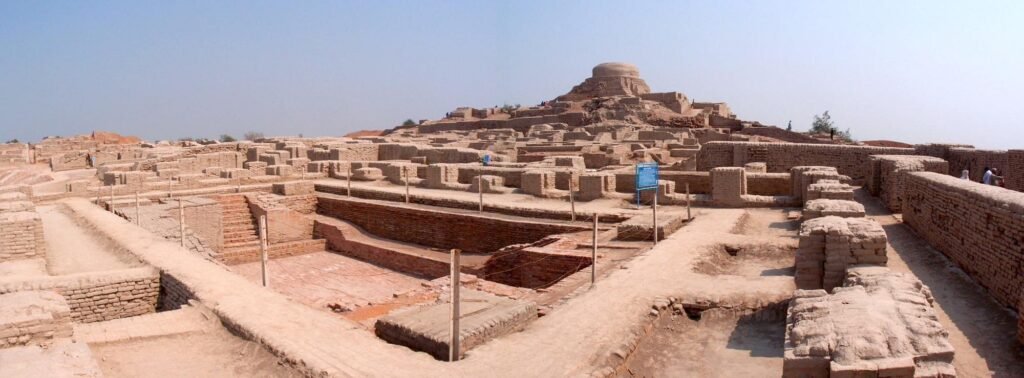
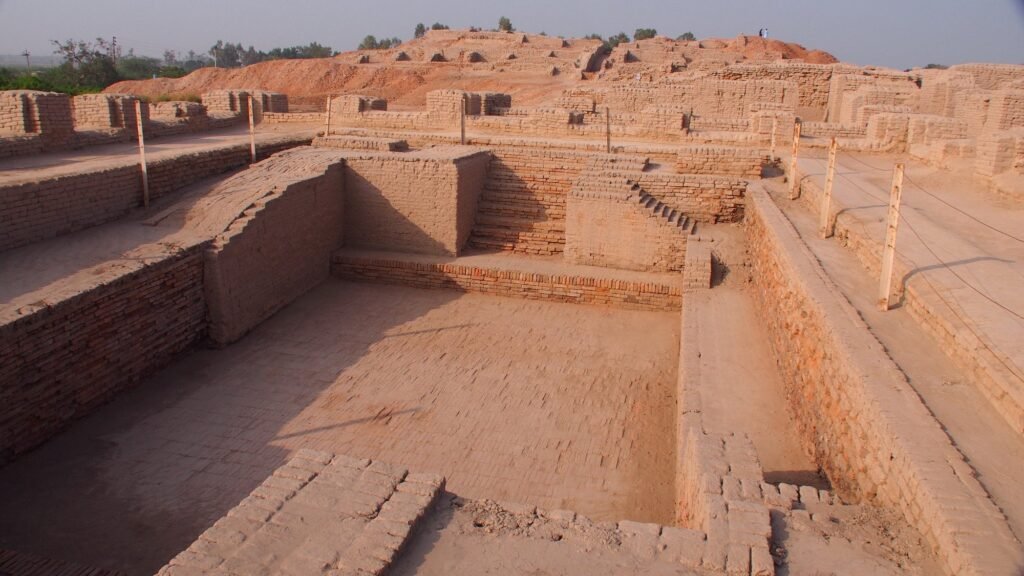
Begin your journey in Karachi, the bustling gateway to Sindh, where modern life brushes shoulders with remnants of the past. From here, head north to explore the ruins of Mohenjo-Daro, the jewel of the Indus Valley Civilization. Wander through its remarkably preserved streets, drainage systems, and the iconic Great Bath—an awe-inspiring testament to urban planning thousands of years ahead of its time.
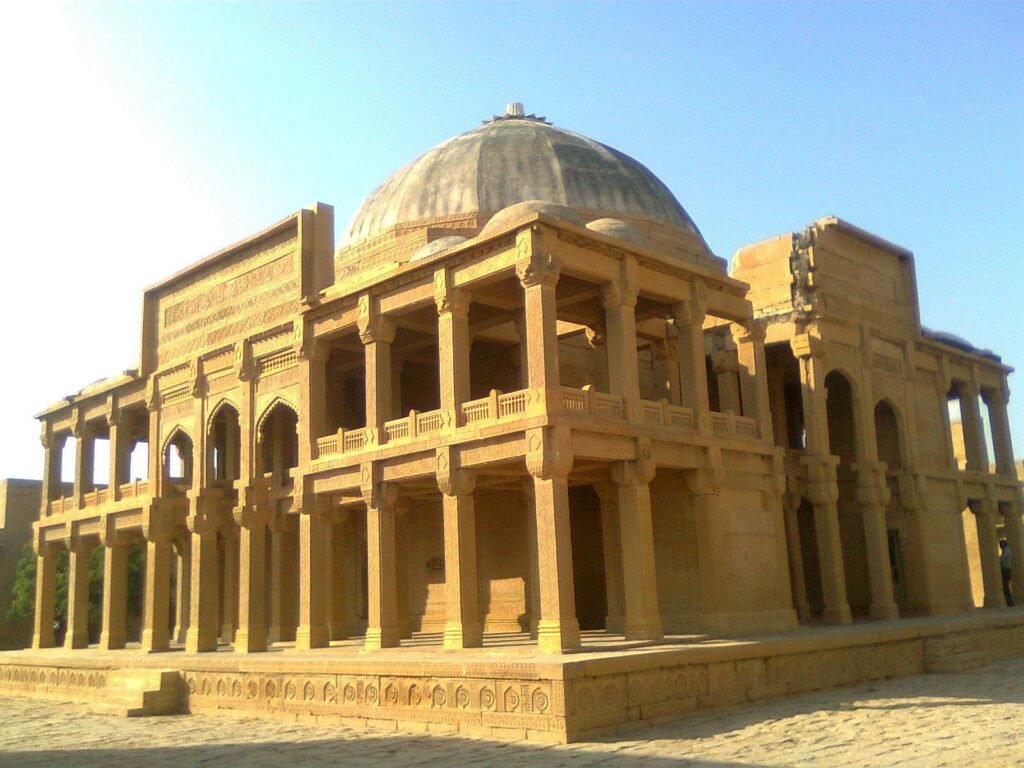
Travel to Makli Necropolis and Thatta, UNESCO World Heritage Sites that echo with centuries of Sufi, Islamic, and regional cultural layers. As you continue northward into Punjab, the ancient city of Harappa awaits—another Indus city that sheds light on the enigmatic society that thrived here around 2600 BCE.
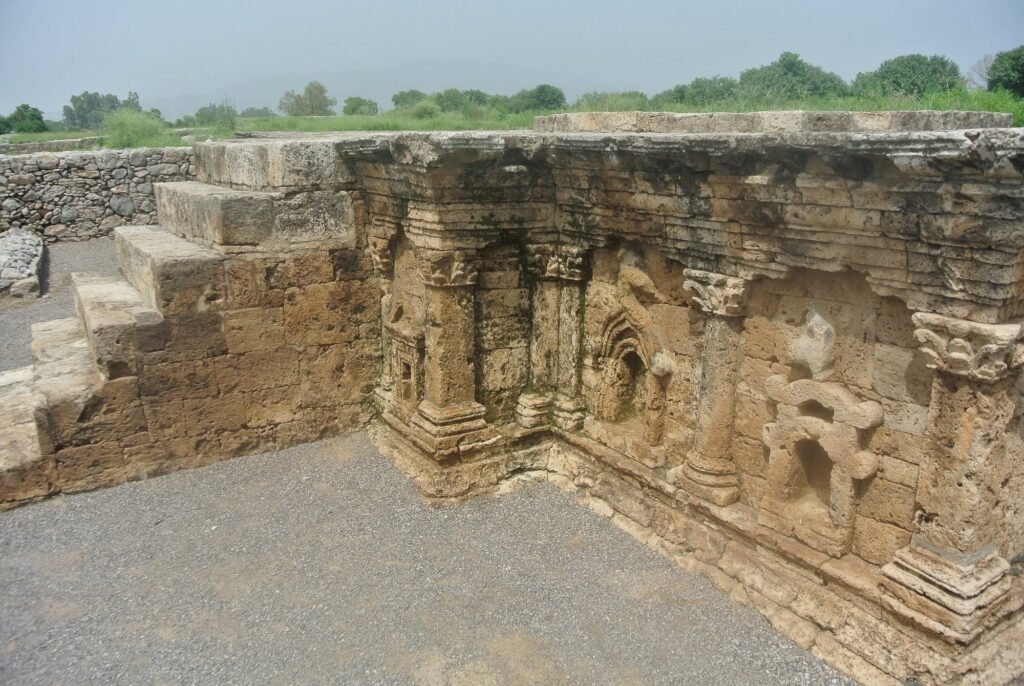
Next, the tour shifts into the Buddhist heritage of the Gandhara Civilization. Explore Taxila, once a renowned center of learning and spirituality. Visit the ruins of Buddhist monasteries, stupas, and the impressive Dharmarajika stupa, and marvel at the exquisite Gandharan sculptures that fused Greek and South Asian styles.
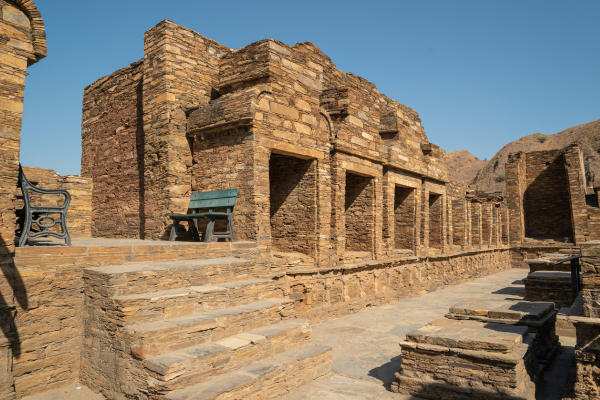
Your route also includes the vibrant cities of Lahore, Peshawar, and Swat, which offer rich cultural experiences and access to key archaeological sites like Takht-i-Bahi, a UNESCO World Heritage Buddhist monastic complex perched dramatically on a hill, and Butkara Stupa in the Swat Valley.
Led by expert guides and historians, the tour combines museum visits, cultural immersion, and first-hand exploration of ancient ruins. Comfortable accommodations, private transport, and authentic local cuisine round out this unforgettable journey into the heart of human history.
This tour is perfect for scholars, students, curious travelers, and seekers of ancient wisdom offering a rare window into the soul of South Asia’s earliest civilizations.
Day by day
1Day 1: Arrival in Islamabad
Arrive at Islamabad International Airport where our representative will receive you. Transfer to your hotel and rest. In the evening, enjoy a welcome dinner and cultural briefing. Overnight stay in Islamabad.
2Day 2: Islamabad to Taxila – Buddhist Heritage (Drive Time: 1.5 hours)
We visit the ruins of Taxila, a UNESCO site and cradle of the ancient Gandhara civilization. Explore Jaulian Monastery, Sirkap ruins, and the Taxila Museum. Return to Islamabad in the evening. Overnight stay in Islamabad.
3Day 3: Islamabad to Peshawar – Frontier Culture (Drive Time: 3–4 hours)
Drive to Peshawar and explore its colonial streets and rich heritage. Highlights include Bala Hisar Fort, Mahabat Khan Mosque, and the Peshawar Museum. Wander through Qissa Khwani Bazaar. Overnight stay in Peshawar.
4Day 4: Peshawar to Lahore via Motorway (Drive Time: 6–7 hours)
Depart for Lahore via the motorway. Upon arrival, visit the Shalimar Gardens and check in to your hotel. Enjoy dinner at a local restaurant. Overnight stay in Lahore.
5Day 5: Explore the Walled City of Lahore
Full-day exploration of Mughal Lahore. Visit the majestic Badshahi Mosque, Lahore Fort, and the tombs of Jahangir and Nur Jahan. Walk through the vibrant streets of the Walled City. Attend the flag-lowering ceremony at Wagah Border (optional). Overnight stay in Lahore.
6Day 6: Lahore to Multan – City of Saints (Drive Time: 5–6 hours)
Drive south to Multan. Visit Sufi shrines including Shah Rukn-e-Alam, Bahauddin Zakariya, and the colorful Ghanta Ghar market. Overnight stay in Multan.
7Day 7: Multan to Bahawalpur – Desert Culture & Forts (Drive Time: 3–4 hours)
Continue to Bahawalpur. Visit the stunning Noor Mahal and Derawar Fort in Cholistan Desert. Explore the 15th-century tombs of Uch Sharif. Overnight stay in Bahawalpur.
8Day 8: Bahawalpur to Sukkur (Drive Time: 6–7 hours)
Drive further south into Sindh province. Reach Sukkur and visit the iconic Sukkur Barrage and shrines along the Indus River. Overnight stay in Sukkur.
9Day 9: Day Trip to Mohenjo-Daro (Drive Time: 2–3 hours round trip)
Take a full-day excursion to Mohenjo-Daro, one of the oldest cities of the Indus Valley Civilization. Explore the Great Bath, granaries, and ancient streets. Return to Sukkur by evening. Overnight stay in Sukkur.
10Day 10: Sukkur to Karachi via Flight
Catch a domestic flight to Karachi. Upon arrival, transfer to your hotel and relax. Depending on timing, take an evening city orientation drive. Overnight stay in Karachi.
11Day 11: Explore Karachi – Colonial & Coastal Heritage
Visit the Quaid-e-Azam Mausoleum, Frere Hall, Mohatta Palace, and Clifton Beach. End the day at the UNESCO-listed Makli Necropolis and Shah Jahan Mosque in Thatta (optional based on time). Overnight stay in Karachi.
12Day 12: Departure from Karachi
After breakfast, transfer to Jinnah International Airport for your onward journey. End of tour.
What you will experience
- Explore UNESCO World Heritage Sites: Taxila, Mohenjo-Daro & Makli Necropolis
- Discover ancient civilizations of the Indus Valley and Buddhist Gandhara empire
- Visit iconic Sufi shrines, mosques, and forts in Lahore, Multan, Uch Sharif & Thatta
- Experience the vibrant culture, architecture, and crafts of Punjab & Sindh
- End your journey in cosmopolitan Karachi with colonial history and seaside charm
UNESCO sites on this journey


What to bring
A practical starting point for this trip. Your guide will send a final, weather-checked list two weeks before departure.
Documents & essentials
- Passport valid 6+ months, plus photocopies stored separately
- Pakistan visa or e-visa confirmation printout
- Travel insurance certificate (mandatory — must cover altitude if trekking)
- Flight tickets and this itinerary, printed and on your phone
- Cash in USD or EUR for exchange; cards are not widely accepted outside major cities
- Passport-sized photographs for permits and hotel registration
Clothing
- Layered clothing — northern valleys are cool at night even in summer
- Fleece or insulated jacket for high passes such as Khunjerab and Babusar
- Light waterproof jacket
- Comfortable walking shoes plus sandals or trainers
- Modest clothing covering shoulders and knees for mosques, forts and villages
- A scarf or shawl (women should carry one for religious sites)
- Sun hat and sunglasses — UV is intense at altitude
Health & personal care
- Personal medication with a copy of the prescription
- Basic first-aid kit: blister plasters, painkillers, antihistamine, rehydration salts
- Anti-diarrhoeal and a broad-spectrum antibiotic if your doctor advises it
- High-factor sunscreen (SPF 50) and SPF lip balm
- Insect repellent
- Hand sanitiser and wet wipes
- Toilet paper — not reliably supplied outside hotels
Electronics
- Universal adapter — Pakistan uses type C and D sockets, 230 V
- Power bank; mains power is intermittent in mountain areas
- Camera with spare batteries — cold drains them quickly
- Phone with offline maps downloaded before departure
Good to have
- Reusable water bottle to reduce plastic waste
- Small padlock for luggage
- Snacks you like — choice is limited outside cities
- Earplugs and eye mask for long drives and shared lodges
- A small gift or postcards from home if you plan to visit local families
Before you travel
Best Time to Visit on the Ancient Pakistan Explorer
This 12-day journey threads together 5,000 years of human civilisation — from the Indus Valley settlements of Harappa and Mohenjo-daro through the Gandharan Buddhist heartland of Taxila and Peshawar, and the Mughal grandeur of Lahore and Multan. The tour traverses Pakistan from north to south, from the Islamabad foothills down through the Punjab plains to the Sindh desert, and this geographic range means the season you travel has a meaningful impact on conditions at every stop.
October through December is the tour’s optimum window. Temperatures across Punjab settle from the high 30s of September into a glorious 18–28°C through October and November, cooling further to a crisp 10–22°C in December. The open-air archaeological sites of Harappa and Mohenjo-daro — exposed complexes with limited shade — are far more accessible in this cooler period. December is particularly pleasant for the Sindh portion of the tour: the Mohenjo-daro ruins can be explored at length without heat fatigue, and the late afternoon light across the vast mounds of the ancient city is extraordinarily atmospheric. Lahore and Multan in December offer long evenings ideal for exploring bazaars and Sufi shrines after the day’s sightseeing.
January and February offer excellent conditions throughout the entire itinerary. Sindh winters are mild and dry at 15–22°C — perfect for extended exploration of the Mohenjo-daro and Harappa sites. Lahore can experience morning fog in January (the Punjab fog season) but this clears by mid-morning and does not materially affect the programme. February marks the return of spring warmth; conditions across the full itinerary from Islamabad to Sindh are close to ideal, the mustard fields of Punjab are a brilliant yellow, and visitor numbers at the archaeological sites are lower than during the autumn peak.
March and April provide a second excellent window. Temperatures at the northern stops (Taxila, Peshawar, Islamabad) are ideal at 18–28°C in March. Southern stops (Mohenjo-daro, Harappa) see temperatures rising toward 35°C by April, which remains manageable for a well-paced programme with early-morning site visits. If travelling in April, schedule the Sindh portion early in the itinerary before the heat peaks and conclude in the cooler north. The Taxila Valley and the Peshawar basin are at their most beautiful in spring, the hills green and wildflowers lining the roads to the Buddhist sites.
May through September are not recommended for this tour. Mohenjo-daro in summer (June–August) regularly reaches 48°C — conditions that make sustained archaeological exploration difficult and potentially harmful. Lahore and Multan experience 42–45°C summer peaks. The Islamabad and Taxila portions are more manageable but the overall experience across the full 12-day itinerary is significantly diminished in extreme heat. Passage to Pakistan will advise on conditions at the time of booking and flag any exceptional seasonal factors.
Travel Tips for UK Visitors
UK passport holders require a Pakistan tourist visa; the e-Visa through visa.nadra.gov.pk is the recommended route. A 30-day single-entry tourist visa costs approximately £35–45 and is typically processed in one to three working days. This 12-day tour typically begins and ends in Islamabad; ensure your visa has adequate validity for the full itinerary including any pre- or post-tour days. Some extensions to tribal border areas or restricted zones may require additional No Objection Certificates (NOC) — your Passage to Pakistan coordinator will advise if this applies to your specific tour routing. Apply for the visa at least two to three weeks before departure.
Islamabad International Airport (ISB) is the recommended arrival point. Pakistan International Airlines flies direct from London Heathrow in approximately 8–9 hours. One-stop connections via Dubai (Emirates, flydubai), Doha (Qatar Airways), Istanbul (Turkish Airlines), or Abu Dhabi (Etihad) take 13–16 hours. Lahore’s Allama Iqbal International Airport (LHE) is an alternative arrival point if your tour begins in Lahore; it is served by multiple Gulf hub connections from the UK. Both airports are modern facilities with reliable taxi and Uber connections to city centres.
The Pakistani rupee (PKR) exchanges at approximately 350–360 to the pound. ATMs from major banks are available in Islamabad, Lahore, Peshawar, and Multan; near Harappa (Sahiwal area) and Mohenjo-daro (Larkana), cash is essential as card acceptance is very limited. Carry adequate PKR in medium denominations (PKR 500–1,000 notes) for the rural portions of the tour — bazaar shopping, museum entry fees at smaller sites, tips, and local meals. Exchange at ISB or Lahore airport on arrival is convenient; exchange bureaux in Islamabad’s Blue Area and Lahore’s Liberty Market offer slightly better GBP rates.
A Jazz or Zong prepaid SIM (approximately £3) provides strong 4G coverage in all major cities on this tour. Signal may be patchy at remote sites including Mohenjo-daro and rural Harappa — this is normal and your guide team maintains alternative emergency communication where standard coverage is limited. Pakistan Standard Time (GMT+5) is 4–5 hours ahead of the UK; early morning starts for archaeological site visits (before the heat of the day) align naturally with this time difference. Comprehensive travel insurance with medical evacuation cover is mandatory for all Passage to Pakistan multi-day tours.
Accommodation on This Tour
Across 12 nights, your accommodation ranges from comfortable four-and-five-star hotels in Pakistan’s major cities to functional, characterful guesthouses and rest houses close to the remote archaeological sites. Passage to Pakistan carefully selects properties at each stop to balance comfort, safety, and proximity to the following day’s programme.
In Islamabad (typically two nights bookending the tour), a four-star property in the F-7 or F-8 sector — Hotel One or Best Western Plus — provides reliable Wi-Fi, air conditioning, and a good breakfast to prepare for early departures. In Lahore, the Avari Hotel on Upper Mall or the Pearl Continental on Shahrah-e-Quaid-e-Azam are the standard choices for this itinerary: both four-to-five-star properties well-located for Walled City sights, with excellent restaurant options and efficient service familiar with heritage tour groups. In Multan, the Ramada Hotel is the city’s most consistent international-standard option. In Peshawar, the Pearl Continental provides a comfortable and secure base for exploring the Gandharan sites and the Peshawar Museum.
At Mohenjo-daro and Larkana (Sindh), accommodation is more limited by international standards. The Mohenjo-daro Archaeological Rest House, managed by the archaeological authorities, provides basic but clean rooms with air conditioning — staying on the edge of the site itself has an atmosphere that no city hotel can replicate. The Faran Hotel in Larkana is the alternative mid-range option. Near Harappa (Sahiwal district, Punjab), a comfortable local hotel provides an overnight base. At Taxila, the Taxila Museum Rest House offers a uniquely memorable stay adjacent to the archaeological collection. Your Passage to Pakistan itinerary confirms specific properties for your tour dates, and upgrades at the major city hotels can be arranged in advance.
Local Culture and Etiquette
This 12-day itinerary spans Pakistan’s full cultural geography — Pashtun Peshawar, Punjabi Lahore, Sindhi Mohenjo-daro, and the Sufi-influenced culture of Multan — and each region has its own character and customs. Certain principles apply universally throughout Pakistan and are essential knowledge before you travel.
Modest dress is expected throughout the tour. Both men and women should keep shoulders and knees covered at all times; women should carry a dupatta (headscarf) for visits to mosques, Sufi shrines, and certain heritage sites. In Peshawar’s Qissa Khwani Bazaar and the older walled quarters of Multan, conservative dress is especially valued as these are traditional, deeply religious communities. The archaeological sites of Taxila, Harappa, and Mohenjo-daro have no specific dress code beyond modesty; practical outdoor clothing that also respects local norms is the ideal approach for the full itinerary.
At mosques — Badshahi Mosque and Wazir Khan Mosque in Lahore, the Mahabat Khan Mosque in Peshawar, and the Sufi shrines of Multan — shoes must be removed before entry and women should cover their hair. Photography inside the prayer hall is generally permitted outside of prayer times; your guide will advise at each site. The Sufi shrines of Multan — including the tombs of Shah Rukn-e-Alam and Bahauddin Zakariya — are living places of active worship; move respectfully, observe quietly, and ask your guide before photographing worshippers. The atmosphere at these shrines, especially at dusk when qawwali music fills the air, is genuinely extraordinary.
Pakistan’s legendary hospitality — tea offered at craft shops, animated conversations in bazaars, invitations to photograph with local families — is genuine and generous throughout this itinerary. Accepting a cup of chai costs nothing and opens real cultural connection. Tipping your Passage to Pakistan guide 1,000–2,000 PKR at the end of the 12-day tour is appreciated and customary; 300–500 PKR for drivers per day and 200–500 PKR for site-specific local guides is appropriate. Alcohol is not generally available during this tour; Pakistani hotel restaurants offer excellent fresh juices, chai, and international soft drinks.
Safety and Health Information
This tour covers a wide geographic range across Pakistan, from the KPK frontier near Peshawar to the Sindh plains near Mohenjo-daro. Passage to Pakistan conducts full route risk assessments for all multi-day itineraries and updates routing against current FCDO guidance. The tour does not include any areas under active FCDO advisory for non-essential travel; all site visits are standard on the Pakistan archaeological and heritage tourism circuit with established visitor management and security.
This tour is low-altitude throughout. The highest point is Islamabad and Taxila at approximately 550 metres; Lahore, Harappa, Multan, and Mohenjo-daro all sit below 200 metres above sea level. Altitude sickness is not a concern on this itinerary. The primary health consideration is heat at the exposed archaeological sites, particularly in warmer months at Mohenjo-daro and Harappa. Your guide team carries bottled water supplies, ensures rest breaks at all outdoor sites, and will adapt the schedule if weather conditions are exceptional. A wide-brimmed hat and high-SPF sunscreen are strongly recommended for all visits to exposed archaeological sites.
Food and water hygiene are managed throughout the tour at the hotel restaurants and pre-selected meal venues your guide team uses — these have a documented track record for international visitors. Tap water should not be consumed anywhere on this itinerary; bottled water is provided throughout all tour days. Hepatitis A and typhoid vaccinations are recommended by the FCDO for Pakistan travel; consult your GP or travel clinic 6–8 weeks before departure. Carry prescription medications in original labelled packaging and bring a personal first-aid kit for a 12-day trip.
Emergency services vary by region. Rescue 1122 operates in Islamabad, Lahore, and Peshawar. In rural Sindh near Mohenjo-daro, the nearest hospital of adequate quality is Chandka Medical College Teaching Hospital in Larkana; for serious conditions, evacuation to Karachi is arranged. Your Passage to Pakistan guide carries full emergency contacts for every region on the tour and a comprehensive first-aid kit. Review FCDO advice for Pakistan at gov.uk/foreign-travel-advice/pakistan before travel and register with the FCDO LOCATE service. Comprehensive travel insurance with a minimum £500,000 medical evacuation limit is mandatory for all Passage to Pakistan bookings.
When to travel
Fixed group departures run October through April. Outside this window, private departures can be arranged on request — just ask.
Dates shown are guide departures. Exact start dates are confirmed at the time of booking and can be adjusted to suit your flights.
Plan your Ancient Pakistan Explorer – 12 Days Across Indus & Gandhara Civilizations
Tell us your dates and we will build this itinerary around them — private guide, your pace, your interests. We reply within one working day.
Or call =92 342 5017535
Questions travellers ask
1. What are the top archaeological sites included in this Pakistan heritage tour?
This tour covers Pakistan’s most famous archaeological wonders, including Mohenjo-Daro, Harappa, Taxila, Takht-i-Bahi, and Mehrgarh. These UNESCO-listed and ancient sites are central to understanding the Indus Valley Civilization and the Gandhara Buddhist heritage in South Asia.
2. Is this tour suitable for cultural travelers, researchers, and international tourists?
Yes, this tour is designed for cultural travelers, history enthusiasts, archaeologists, and international tourists looking to explore the ancient civilizations of Pakistan. It includes expert guides, curated visits, and authentic local experiences throughout Sindh, Punjab, and Khyber Pakhtunkhwa.
3. What is the best season to explore heritage sites in Pakistan?
The ideal time to join this archaeological tour of Pakistan is between October and March, when the weather is pleasant and dry. These months offer comfortable conditions to explore open-air ruins and historical landmarks across Southern and Northern Pakistan.
4. Are guided tours included at all historical and museum sites?
Yes, this is a fully guided heritage tour. All sites are explored with licensed English-speaking guides with expertise in archaeology and ancient history. Visits to Taxila Museum, Lahore Museum, and National Museum Karachi are also included with expert-led commentary.
5. What kind of travel arrangements and accommodations are provided?
This 12-day Pakistan cultural tour includes private air-conditioned transport, quality hotel stays in major cities, domestic travel support (road or air), and all entrance fees to monuments and museums. It’s a worry-free cultural package perfect for both individuals and academic groups.