Islamabad Day Tour (2026) – Faisal Mosque, Margalla & Museums
Modern, green, and serene Islamabad offers a perfect blend of natural beauty and cultural landmarks.
About this journey
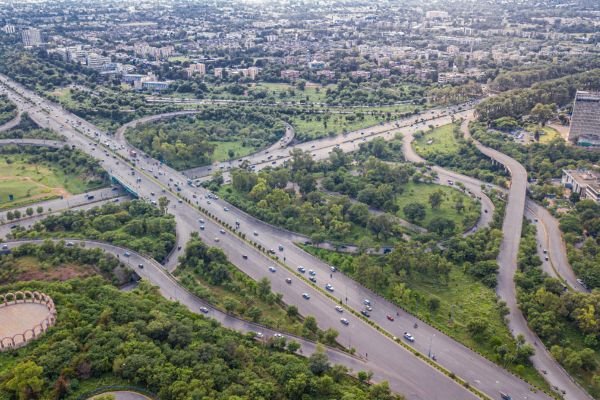
Modern, green, and serene Islamabad offers a perfect blend of natural beauty and cultural landmarks. This full-day tour introduces you to the capital’s top attractions, from ancient relics to contemporary marvels, scenic hills, and vibrant local life. Whether you’re a solo traveler, a couple, or a group, this curated experience reveals the spirit of Pakistan’s most peaceful and thoughtfully designed city.
Day by day
1Itinerary
Your day begins with a pickup from your hotel in Islamabad at 9:00 AM. The first stop is the stunning Faisal Mosque, an architectural marvel nestled against the foothills of the Margalla Mountains. After soaking in its serene beauty, the tour continues uphill to Daman-e-Koh, a popular viewpoint offering panoramic vistas of Islamabad and beyond. Next, enjoy a scenic drive through the Margalla Hills National Park before stopping for lunch at a local favorite such as Monal Restaurant or Des Pardes in Saidpur Village—both known for their delicious Pakistani cuisine and charming settings. After lunch, explore the fascinating Lok Virsa Museum, which showcases the diverse ethnic cultures and crafts of Pakistan. From there, you’ll visit the Pakistan Monument, where the symbolic petal-shaped structure stands proudly on Shakarparian Hill alongside a small museum chronicling the country’s history. Your final stop is Saidpur Village, a restored heritage village that blends Mughal-era charm with modern-day cafés and artisan shops. If time allows, enjoy a short visit to Centaurus Mall or F-6 Markaz for tea or local shopping before being dropped back at your hotel by 6:30 PM.
What you will experience
- Faisal Mosque – Pakistan’s largest mosque and a symbol of Islamic architecture
- Daman-e-Koh Viewpoint – Panoramic views of the city from the Margalla Hills
- Lok Virsa Museum – A showcase of Pakistan’s diverse cultures and crafts
- Pakistan Monument & Museum – A national symbol and heritage gallery
- Saidpur Village – A restored Mughal village turned café and artisan hub
- Centaurus Mall or F-6 Markaz – For some relaxed shopping or chai time
- Lunch at a local restaurant – Enjoy Pakistani cuisine in a scenic spot
What to bring
A practical starting point for this trip. Your guide will send a final, weather-checked list two weeks before departure.
Documents & essentials
- Passport valid 6+ months, plus photocopies stored separately
- Pakistan visa or e-visa confirmation printout
- Travel insurance certificate (mandatory — must cover altitude if trekking)
- Flight tickets and this itinerary, printed and on your phone
- Cash in USD or EUR for exchange; cards are not widely accepted outside major cities
- Passport-sized photographs for permits and hotel registration
Clothing
- Comfortable walking shoes with grip
- Modest clothing covering shoulders and knees — required at mosques and shrines
- A scarf or shawl (women should carry one for religious sites)
- Light jacket or fleece for early starts and evenings
- Sun hat and sunglasses
Health & personal care
- Personal medication with a copy of the prescription
- Basic first-aid kit: blister plasters, painkillers, antihistamine, rehydration salts
- Anti-diarrhoeal and a broad-spectrum antibiotic if your doctor advises it
- High-factor sunscreen (SPF 50) and SPF lip balm
- Insect repellent
- Hand sanitiser and wet wipes
- Toilet paper — not reliably supplied outside hotels
Electronics
- Universal adapter — Pakistan uses type C and D sockets, 230 V
- Power bank; mains power is intermittent in mountain areas
- Camera with spare batteries — cold drains them quickly
- Phone with offline maps downloaded before departure
Good to have
- Reusable water bottle to reduce plastic waste
- Small padlock for luggage
- Snacks you like — choice is limited outside cities
- Earplugs and eye mask for long drives and shared lodges
- A small gift or postcards from home if you plan to visit local families
Before you travel
Best Time to Visit Lahore
Lahore is Pakistan's cultural capital — a city of Mughal gardens, British colonial grandeur, extraordinary food and one of South Asia's most electrifying daily ceremonies. Unlike Pakistan's northern mountain destinations, Lahore is a low-altitude city (217 m) with an extreme continental climate: the timing of your visit significantly affects your comfort and experience.
Autumn and winter (October–February) is the unqualified best time to visit. Temperatures drop to a very pleasant 10–22°C, the air is clear, and the grand heritage sites — Badshami Mosque, Lahore Fort, Wazir Khan Mosque, Shalimar Gardens — can be explored at leisure without oppressive heat. November and December are the sweet spot: crisp mornings, warm afternoons, spectacular winter light for photography. The Wagah Border ceremony is held year-round; in winter the 4–5pm sunset timing means you attend in cool, comfortable conditions and return to the city in the early evening.
Spring (March–April) is the second-best season — temperatures rise from 18°C to 28°C through March and April, the Shalimar Gardens are at their most beautiful, and Lahore's famous food street scene is at its most vibrant. Late April sees temperatures beginning their rapid climb toward summer; May can reach 40°C and is best avoided.
Summer (May–September) should be carefully managed. June and July routinely record 42–45°C in Lahore; outdoor exploration of the heritage sites becomes dangerous between 10am and 5pm. The monsoon (July–August) brings humidity along with rain, creating a hot-and-sticky combination that most visitors find uncomfortable for city sightseeing. If visiting in summer, plan outdoor visits before 9am and after 5pm, and build in significant air-conditioned indoor time (Lahore Museum, National College of Arts). The Wagah Border ceremony in summer falls near 6:00–6:30pm sunset, which is the most comfortable outdoor window of a hot day.
Wagah Border ceremony timing: The ceremony begins approximately 30–60 minutes before local sunset — the exact time shifts with the seasons and is confirmed by our guides on the day. In December it may be as early as 4:00pm; in June as late as 6:30pm. Our day tour arrives at the Wagah bleachers at least 90 minutes before the ceremony to secure good seats, as they fill rapidly.
Travel Tips for UK Visitors
Visa: UK passport holders should apply for a Pakistan tourist e-Visa at visa.nadra.gov.pk — approximately £35–45 for a 30-day stay, processed in 1–3 working days. Please note: the Wagah Border crossing is not open to UK passport holders for entry into India at the time of writing — the ceremony is attended as a spectator event from the Pakistan side only. Do not arrive expecting to cross into India; this requires separate India visa arrangements and the crossing has been intermittently suspended. Your coordinator can advise on current status.
Flights: Lahore Allama Iqbal International Airport (LHE) receives direct and hub-connected flights from the UK. PIA operates London Heathrow–Lahore direct (approximately 8–9 hours); Gulf carriers (Emirates, Qatar Airways, Etihad) connect Lahore via Dubai, Doha and Abu Dhabi in 11–14 hours total. Manchester has connections to Lahore via Gulf hubs. LHE airport is modern and well-connected to central Lahore by taxi (30–45 minutes to Gulberg) or the Orange Line Metro (approximately 25 minutes to the city centre).
Currency: Pakistani Rupee (PKR), currently approximately 350–360 PKR to £1. Lahore has excellent ATM infrastructure — HBL, MCB, Meezan Bank and UBL ATMs are in every major commercial area (Gulberg, DHA, MM Alam Road). Notify your UK bank before travel. High-end restaurants and shops in Gulberg and DHA accept Visa and Mastercard; the older bazaar areas (Anarkali Bazaar, the Walled City, the Fort area) are cash-only. Budget PKR for bazaars, local restaurants, auto-rickshaws and entry fees.
Getting around Lahore: Lahore is a large city of 12 million people and a mix of transport works best. Uber and InDrive are reliable in modern areas and widely used by international visitors — download both apps before arrival. The Orange Line Metro connects eastern suburbs to the Walled City efficiently (20 PKR flat fare). Auto-rickshaws (tuk-tuks) are the most characterful way to navigate the Walled City's narrow lanes — egotiate the fare before boarding; 200–500 PKR for short inner-city trips. Our day tour includes all transport.
Local SIM: Jazz has the best network in Lahore. A local SIM costs approximately £3.–4 with starter data credit, available at the LHE airport arrivals hall (passport required). Lahore has comprehensive 4G coverage throughout, including the Wagah Border area. WhatsApp and Google Maps work without restriction.
Lahore's food scene: Lahore is widely considered Pakistan's culinary capital. Specialities include Lahori nihari (slow-cooked beef shank broth, traditionally eaten for breakfast), Lahori karahi (fiery tomato-based lamb or chicken curry cooked in a wok), seekh kebabs from coal-fired grills on Fort Road Food Street, and fresh naan from tandoor ovens at any hour. Our day tour includes at least one Lahori meal — for many UK guests, this is the single most memorable part of the visit.
Travel Insurance: Comprehensive travel insurance with medical cover is mandatory for all Passage to Pakistan tours. This day tour presents no altitude or adventure-activity risk; standard travel insurance covering medical emergencies, cancellation and evacuation is adequate. Ensure your policy covers Pakistan. World Nomads and True Traveller offer straightforward cover for UK visitors to Lahore.
Accommodation on This Tour
This is a day tour of Lahore, departing from and returning to your hotel. Lahore has the finest and most varied hotel selection in Pakistan, from heritage five-star properties on the Mall Road to excellent boutique guesthouses in the historic Walled City.
Luxury (£120–250/night): Pearl Continental Lahore (Shahrah-e-Quaid-e-Azam, Mall Road area) is Pakistan's flagship five-star property — a beautifully maintained grande dame hotel with ballrooms, multiple dining venues and a pool. Avari Hotel Lahore (adjacent to PC) is another classic international-standard option with excellent service. Both are 10–15 minutes from Walled City heritage sites and approximately 30 minutes from Wagah.
Upper mid-range (£60–120/night): Nishat Hotel (Gulberg) and Faletti's Hotel (a recently restored colonial-era property on Egerton Road) offer excellent value. Faletti's has hosted heads of state and bears remarkable historical character — the original 1880s structure with high-ceilinged rooms and garden lawns creates an atmosphere unique in South Asia.
Mid-range (£30–60/night): Hotel Grand (Gulberg), Holiday Inn Lahore and Ramada Lahore all provide comfortable, reliable accommodation with Wi-Fi and breakfast. For a heritage experience in the Walled City area — walking distance to Lahore Fort and Badshami Mosque — the boutique Haveli 1860 and Fort View Guest House offer rooms in restored havelis at this price point.
If travelling from Islamabad: Many guests combine the Islamabad Day Tour and Lahore Heritage Tour over a multi-night Pakistan itinerary. We arrange overland transfer between the two cities on the M-2 motorway (approximately 4 hours), with accommodation in Lahore for the heritage day tour. Contact your Passage to Pakistan coordinator to build a combined itinerary.
Local Culture and Etiquette
Lahore as Pakistan's cultural heart: Lahore has been the cultural capital of the Indian subcontinent for much of the past thousand years — from the Mughal court of Akbar and Jahangir to the Sikh empire under Ranjit Singh to the British Raj's Punjab headquarters. This layered history makes it endlessly fascinating. Lahoris are famously proud of their city and warmly welcoming to international visitors who show genuine interest in its heritage.
Dress: Lahore is more relaxed than rural Pakistan but remains fundamentally modest in expectation. Women should cover shoulders and knees — a long tunic (kameez) and trousers (shalwar) is ideal, or western trousers with a long-sleeved top and a light shawl. At Badshami Mosque the head must be covered (scarves provided at the entrance; bring your own for comfort) and shoes removed. At Lahore Fort, modest western clothing is fine. The Wagah bleachers attract a festive, vocal Pakistani crowd — modest dress is appropriate and a shawl to drape over shoulders for a the ceremony is useful.
The Wagah Border ceremony: This is one of Pakistan's most extraordinary daily spectacles — a choreographed military flag-lowering ceremony performed simultaneously by Pakistan Rangers and India's Border Security Force at the only legal land border crossing between the two countries. The Pakistani bleachers fill to several thousand spectators who respond to the MC's patriotic chants with extraordinary enthusiasm. The atmosphere is part sports stadium, part national theatre. Photography is permitted in the bleachers. Do NOT photograph military installations, the border itself, or BSF personnel on the Indian side — this is clearly prohibited and actively enforced.
Lahore's bazaars: Anarkali Bazaar (one of South Asia's oldest bazaars), Liberty Market (modern and cosmopolitan) and the Walled City's Kashmiri Bazaar reward browsing. Bargaining is expected in traditional bazaars; fixed prices apply in modern shops. Lahori shopkeepers are known for their eybullience and negotiating energy — enjoy the process.
Tipping: Restaurant wait staff: 100–200 PKR at a local restaurant, 10% at upscale Gulberg restaurants. Rickshaw drivers: negotiated fare only. Your Passage to Pakistan day guide: 500–1,000 PKR for an outstanding day. Mosque shoe-keepers: 50–100 PKR. Cash PKR only for all tips.
Safety and Health Information
General safety: Lahore has improved substantially in security terms over the past five years and is visited by large numbers of UK tourists. The heritage sites, hotel zones (Mall Road, Gulberg, DHA) and the Wagah Border all have a high police and security presence. Petty crime exists as in any large South Asian city — keep bags close in bazaars, do not flash expensive electronics, and use Uber or InDrive rather than unmarked taxis. The Walled City narrow lanes are safe for guided tours during the day.
Heat precautions: If visiting in summer (May–September), heat-related illness is the primary health risk. Drink 2–3 litres of bottled water per day, wear light loose clothing and a hat, and avoid sustained outdoor activity between 11am and 4pm. All heritage sites are partially shaded; Lahore Fort's massive walls and Badshami Mosque's marble courtyards provide natural shade. Heatstroke requires immediate medical attention — symptoms include very high body temperature, confusion and cessation of sweating.
Food and water safety: Lahore's food scene is a joy but stick to our guide's recommended restaurants and avoid raw street food if you have a sensitive stomach. Drink only bottled mineral water (Nestle or Aquafina, widely available at 50–80 PKR per 1.5L). Fort Road Food Street stalls are generally well-operated and safe for international visitors when visited with a knowledgeable guide.
Medical facilities: Lahore has excellent private hospital facilities — among the best in Pakistan. Shaukat Khanum Memorial Hospital, Doctors Hospital (Lahore) and Services Hospital (Jail Road) are the primary options for serious cases. Your travel insurance emergency line will direct you to the most appropriate facility for your situation.
Emergency contacts: Police: 15 | Rescue: 1122 (Punjab) | Edhi Ambulance: 115 | Tourist Police Lahore: 042-99202170. Your Passage to Pakistan guide carries a mobile at all times and is first contact for any in-tour issue. FCDO travel advice for Pakistan.
When to travel
Available year-round. Highlighted months are when we run this itinerary. Private departures can be arranged on any date — just ask.
Dates shown are guide departures. Exact start dates are confirmed at the time of booking and can be adjusted to suit your flights.
Plan your Explore Islamabad In A Day – Mosques, Mountains & Museums
Tell us your dates and we will build this itinerary around them — private guide, your pace, your interests. We reply within one working day.
Or call +92 342 5017535
Also explore: Lahore Day Tour · Peshawar Day Trip · Murree Day Trip · Islamabad Khanpur Ayubia · Khewra Salt Mine Tour · Ancient Pakistan 12 Days
Questions travellers ask
1. What are the top places covered in the Islamabad City Tour?
The tour typically includes visits to Faisal Mosque, Daman-e-Koh, Pakistan Monument, Lok Virsa Museum, Saidpur Village, and ends with panoramic views or dinner at Monal Restaurant in the Margalla Hills.
2. Is the tour suitable for solo travelers or families with kids?
Yes, this Islamabad sightseeing tour is perfect for solo tourists, couples, families, and even corporate groups. It’s a safe, fully guided experience with flexible stops and photo opportunities.
3. How long is the Islamabad city tour and what time does it start?
The tour usually runs for 6 to 8 hours, starting between 9:00 AM and 10:00 AM, depending on your pickup location. Custom timings can be arranged upon request.