Hunza Winter Tour (2026) – 10 Days: Naltar Valley Snow & Historic Karakoram Forts
Discover a different side of the Hunza Valley—one wrapped in snow, silence, and stunning serenity.
About this journey
Discover a different side of the Hunza Valley—one wrapped in snow, silence, and stunning serenity. The 10-Day Hunza Valley Winter Wonderland Tour, brought to you by PASSAGE TO PAKISTAN, offers a magical escape into Northern Pakistan’s snow-covered landscapes, frozen lakes, and timeless mountain culture.
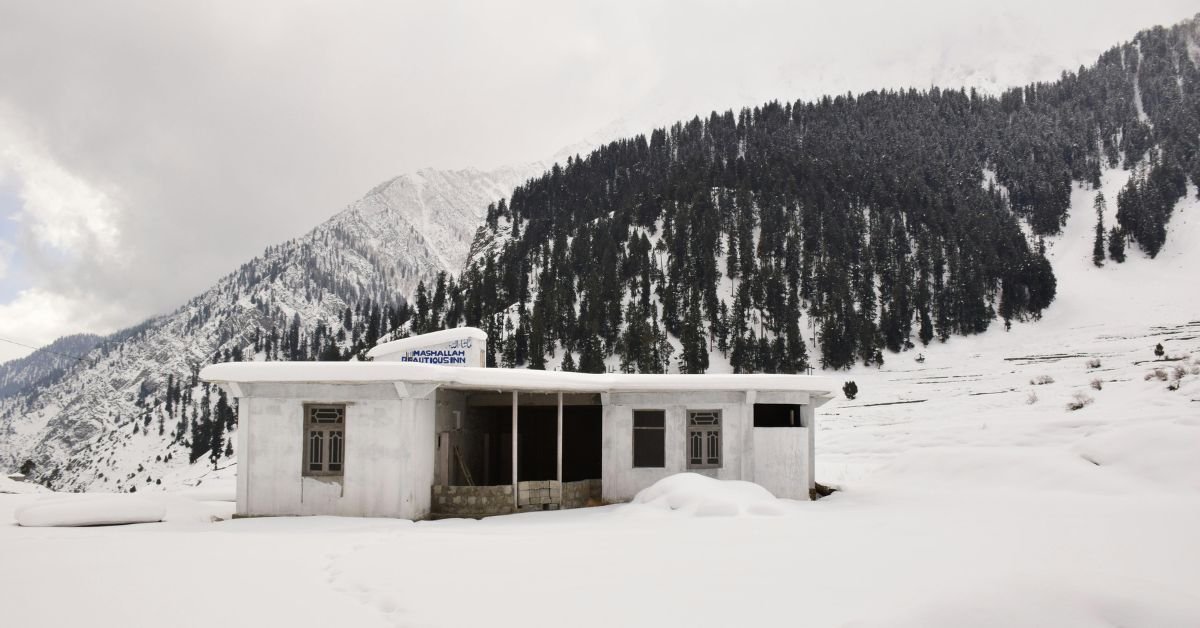
Winter in Hunza is something truly special. The crowds are gone. The air is crisp. And the towering Karakoram peaks stand even more majestic under a blanket of snow. This tour takes you deep into the heart of the region, where ancient forts, scenic villages, and frozen wonders await.
Your Journey to Naltar Valley
Your journey begins in Islamabad, followed by a drive along the iconic Karakoram Highway, where snow-draped valleys and white-washed mountain slopes welcome you into the north. Explore Gilgit, then head towards the hidden gem of Naltar Valley, famous for its magical alpine forests, frozen lakes, and vibrant ski slopes.
In Hunza, immerse yourself in winter stillness while exploring historical treasures like Altit and Baltit Forts, beautifully preserved and perched dramatically above the valley. Warm up with traditional food, walk through ancient stone alleys, and witness life in one of the world’s most peaceful winter destinations.
Marvel at the icy beauty of Attabad Lake, take a scenic walk on its frozen surface (when safe), and enjoy views of the Passu Cones against crystal-clear skies. Visit the remote villages of Gulmit and Hussaini, and enjoy slow mornings with panoramic views of snow-covered fields and peaks from your cozy lodge.
This tour is perfect for photographers, winter lovers, and cultural explorers who seek something rare and meaningful. With thoughtfully planned logistics, warm hospitality, and expert local guides, Passage to Pakistan ensures your journey is both adventurous and deeply comfortable.
Let the snow fall, the silence settle, and the wonder of Hunza in winter leave an imprint on your soul.
Day by day
1Day 1: Arrival in Islamabad
Arrive in Islamabad and transfer to your hotel. If time permits, visit the Faisal Mosque or enjoy views from Daman-e-Koh. Overnight stay in Islamabad.
2Day 2: Drive to Naran/Besham (Drive Time: 7–8 hours)
Depart for the north. Depending on the road conditions, travel via Besham or Naran (if Babusar Pass is open). Enjoy views of frozen rivers and peaks. Overnight stay in Besham or Naran.
3Day 3: Continue to Hunza Valley (Drive Time: 9–10 hours)
Journey along the Karakoram Highway through Chilas and Gilgit. Reach Karimabad and check into your warm lodge with views of snow-covered peaks. Overnight stay in Karimabad.
4Day 4: Explore Karimabad – Altit & Baltit Forts
Visit Altit and Baltit Forts wrapped in snow. Walk through old villages and admire the frozen gardens. Try Hunza walnut cake and relax in a cozy café. Overnight stay in Karimabad.
5Day 5: Day Trip to Attabad Lake, Passu & Gulmit (Drive Time: 3–4 hours round trip)
Take a winter drive to Attabad Lake (partially frozen), Passu Glacier, and the famous Passu Cones. Visit the Hussaini Bridge if accessible. Return to Karimabad. Overnight stay in Karimabad.
6Day 6: Excursion to Naltar Valley (Drive Time: 6–7 hours round trip)
Drive to Nomal and transfer to a jeep for the ride into snow-covered Naltar Valley. Visit Naltar village and enjoy scenic views, snow, and pine forests. Return to Hunza. Overnight stay in Karimabad.
7Day 7: Free Day in Hunza or Optional Hike to Hoper Glacier
Enjoy a leisure day or opt for a day trip to Hoper Glacier (if road is open). You can also explore local bazaars and enjoy traditional food. Overnight stay in Karimabad.
8Day 8: Drive to Naran/Besham (Drive Time: 8–9 hours)
Begin your journey south. Enjoy the changing winter landscapes as you descend toward lower altitudes. Overnight stay in Naran or Besham.
9Day 9: Drive to Islamabad (Drive Time: 6–7 hours)
Arrive in Islamabad by evening. Free time for shopping or a farewell dinner. Overnight stay in Islamabad.
10Day 10: Departure
Transfer to the airport for your international flight. End of tour.
What you will experience
- Experience the snow-covered magic of Hunza in winter
- Visit frozen Attabad Lake, snow-draped Passu Cones, and the serene Naltar Valley
- Explore the ancient forts of Altit and Baltit with dramatic winter backdrops
- Enjoy traditional food, bonfire evenings, and local hospitality
- Ideal for couples, winter photographers, and snow lovers
What to bring
A practical starting point for this trip. Your guide will send a final, weather-checked list two weeks before departure.
Documents & essentials
- Passport valid 6+ months, plus photocopies stored separately
- Pakistan visa or e-visa confirmation printout
- Travel insurance certificate (mandatory — must cover altitude if trekking)
- Flight tickets and this itinerary, printed and on your phone
- Cash in USD or EUR for exchange; cards are not widely accepted outside major cities
- Passport-sized photographs for permits and hotel registration
Cold-weather clothing
- Insulated down jacket rated to −15°C or colder
- Thermal base layers, merino or synthetic (2–3 sets)
- Fleece or wool mid-layers
- Waterproof and windproof outer shell, jacket and trousers
- Insulated waterproof boots with good tread for snow and ice
- Wool socks (4–6 pairs) plus liner socks
- Insulated gloves plus thin liner gloves
- Warm hat, neck gaiter or balaclava
- Traction cleats or microspikes for icy paths
Health & personal care
- Personal medication with a copy of the prescription
- Basic first-aid kit: blister plasters, painkillers, antihistamine, rehydration salts
- Anti-diarrhoeal and a broad-spectrum antibiotic if your doctor advises it
- High-factor sunscreen (SPF 50) and SPF lip balm
- Insect repellent
- Hand sanitiser and wet wipes
- Toilet paper — not reliably supplied outside hotels
- Altitude sickness medication (Acetazolamide) — discuss with your doctor before travel
Electronics
- Universal adapter — Pakistan uses type C and D sockets, 230 V
- Power bank; mains power is intermittent in mountain areas
- Camera with spare batteries — cold drains them quickly
- Phone with offline maps downloaded before departure
Good to have
- Reusable water bottle to reduce plastic waste
- Small padlock for luggage
- Snacks you like — choice is limited outside cities
- Earplugs and eye mask for long drives and shared lodges
- A small gift or postcards from home if you plan to visit local families
Before you travel
Best Time for Frozen Hunza and the Naltar Valley
The Frozen Hunza tour is designed for travellers who want to experience Pakistan’s extraordinary north in its most dramatic and least-visited season. December through February transforms the Hunza Valley into a world of crisp mountain air, bone-dry cobalt skies, snow-capped peaks shimmering in the winter light, and near-total absence of the tourist crowds that fill the valley in summer and spring. If you have always thought of Hunza as a cherry blossom and jeep-safari destination — it is that, of course — this tour will show you an entirely different and arguably more beautiful face of one of the world’s most scenic valleys.
The highlight is Naltar Valley, reached by a spectacular mountain road that climbs above the Hunza Valley floor to over 2,900 metres. Naltar is home to Pakistan’s only operational ski resort — a small but genuine facility maintained by the Pakistan Air Force, with ski runs at elevations between 2,800 and 3,200 metres and typically excellent powder snow conditions from December through February. It is not Verbier; the infrastructure is basic, the lifts are simple, and the facilities are minimal. But skiing in the Karakoram, surrounded by some of the highest peaks on earth, with almost no other foreign tourists in sight, is a uniquely exhilarating experience. The ski patrol is professional, equipment rental is available on site, and the snow quality in a good winter is exceptional.
Beyond skiing, Naltar in winter offers frozen waterfalls, incredible mountain photography (the peaks here — Naltar Peak, Gilgit Peak, Shani Peak — are dramatic backdrops), and the rare privilege of near-solitude in a landscape that feels utterly removed from the modern world. The pine forests lining the valley slopes are heavy with snow and the whole scene feels more Siberia than South Asia. Wildlife sightings are more common in winter than summer, with ibex, fox, and eagles frequently visible on the valley slopes.
Hunza in winter (December-February) has daytime temperatures of 0°C to 8°C in the valley at Karimabad, and -5°C to -15°C or colder on cold nights. Naltar valley is colder still, often reaching -15°C to -20ÀC at night. Pack seriously for cold: thermal base layers (merino wool or synthetic), mid-layer fleece, a heavy down jacket, waterproof ski trousers or outer shell trousers, insulated waterproof boots with good grip, and warm gloves. A balaclava or neck gaiter and a warm hat are essential for Naltar. Don’t underestimate this — good kit makes the difference between a joyful adventure and a miserable one. A packing list is provided with your booking confirmation.
Gilgit-Baltistan winters are high-pressure dominated and very dry — skies are typically brilliantly clear, which means outstanding mountain photography conditions but also very cold radiation nights. This also means the region avoids the monsoon entirely; there is no equivalent of European damp grey winters. Cold and dry is the mantra: it feels more like a Colorado winter than a British one. Skin and lips can get very dry at altitude in winter; pack lip balm, moisturiser, and UV-blocking sunglasses (the reflection off snow is intense even in winter sun).
Travel Tips for International Visitors
UK, US and Canadian passport holders receive a Pakistan visa on arrival at Islamabad International Airport. Travellers from Australia, South Africa and most Western countries should apply for the Pakistan Tourist e-Visa in advance at visa.nadra.gov.pk. Bring a passport photo and evidence of your return flight; the visa fee is approximately £35 to £45 (payable in USD or PKR), and processing takes 20 to 45 minutes. Applying online in advance at visa.nadra.gov.pk speeds up the arrival process significantly — e-visa approval takes 5 to 10 working days.
Flights from London to Islamabad take 8 to 9 hours non-stop on PIA, or 10 to 14 hours via Doha, Dubai, or Istanbul. December and January fares are among the lower of the year for Pakistan routes — budget £500 to £850 return. From Islamabad, the domestic PIA flight to Gilgit (50 minutes, weather permitting) connects to the 2-hour road journey to Hunza. Gilgit domestic flights are weather-dependent; clear skies are usual in the dry winter season, but morning fog can occasionally cause delays. We factor buffer days into the itinerary to accommodate this. The alternative is the road journey from Islamabad to Gilgit via the Karakoram Highway (approximately 14 to 18 hours), which in winter conditions requires an experienced driver and proper vehicle preparation — our vehicles and drivers meet this standard.
Pakistan is a cash economy outside major cities. The PKR currently exchanges at approximately 350 to 360 per pound sterling. Draw cash in Islamabad before departure; ATMs in Gilgit and Karimabad are present but can be unreliable for foreign cards in winter, especially during power cuts. Bring sufficient cash for 10 days in the mountains. Mix of 1,000 and 500 PKR notes; some 100 PKR for tips and small purchases. Naltar ski area charges a modest daily fee (around 2,000 to 3,000 PKR per person) for lift access, and equipment rental (skis, boots, poles) is available at the base for approximately 1,500 to 2,500 PKR per day. Local SIM from Jazz or Zong: good 4G in Gilgit city; reasonable coverage along the KKH in Hunza; very limited in Naltar valley — download offline maps and media before leaving Gilgit.
Travel insurance with comprehensive medical evacuation coverage is a mandatory booking requirement. Confirm your policy covers winter mountain activities including skiing and covers Pakistan (Gilgit-Baltistan province specifically). Emergency services: 1124 (GB Emergency Rescue). The Aga Khan Health Services network operates clinics in Gilgit and the main Hunza towns, providing a baseline of professional healthcare that is above average for such a remote region, but serious cases require evacuation.
Accommodation on This Tour
Accommodation across this 10-day winter tour is warm, comfortable, and carefully chosen for each location. In Gilgit, we use the Gilgit Serena Hotel or a comparable mid-range property — clean en-suite rooms with reliable heating and hot water, a garden, and good restaurant facilities. The Serena Gilgit is the best hotel in the city and provides a comfortable base from which to explore Gilgit’s bazaars, the Kargah Buddha rock carving, and the Aga Khan Museum.
In Karimabad, Hunza, we use Eagle Nest Hotel or Serena Hunza Inn. In winter, Eagle Nest is a particularly special choice: the panoramic view from the terrace encompasses Rakaposhi, Ultar Sar, Diran, and the icefall of the Batura Glacier. In winter conditions, these peaks are in their full snow-clad glory, and the morning and evening light on the mountain faces is extraordinary. Both hotels maintain heating throughout the winter season and hot water is reliable.
In Naltar Valley, accommodation is at the Naltar Valley Guesthouse or the PAF (Pakistan Air Force) Rest House, available to civilian tourists through advance booking. Both are simple mountain lodges with central heating (kerosene stoves in some rooms), basic but adequate bathroom facilities, and a homely, warm atmosphere. After a full day of skiing or snowshoeing in -10°C, a simple hot meal in a warm lodge feels like the height of luxury. We also stop overnight at a guesthouse in the Ghizer area for one night en route, where a fire in the sitting room and home-cooked mountain food make for an authentic and memorable evening.
A good sleeping bag liner adds meaningful warmth in all mountain accommodation in winter. Despite heating, temperatures inside lodges can be cool overnight. Pack socks to sleep in and keep thermals handy. All breakfasts and dinners are included as per the itinerary; lunches are at local restaurants or from packed food on touring days.
Local Culture and Etiquette
Hunza and Gilgit are predominantly Ismaili Muslim communities, led spiritually by the Aga Khan. The region has one of the highest literacy rates in Pakistan and a long tradition of welcoming international visitors, largely thanks to the Aga Khan Development Network’s decades of investment in education and tourism infrastructure. Women travellers find Hunza among the most comfortable parts of Pakistan to visit: it is not unusual to see local Hunzakut women in the bazaar without head covering, and foreign women are treated with courtesy and respect. That said, modest dress — loose clothes covering arms and legs — is expected and appreciated throughout.
Baltit Fort and Altit Fort — the two great Mir’s palaces of Hunza that your tour includes — are UNESCO-recognised heritage sites maintained by the Aga Khan Trust for Culture. Entry fees (approximately 1,500 PKR per site) support ongoing conservation. Guides at both forts are knowledgeable and engaging; do tip them (300 to 500 PKR) if you found the tour worthwhile. Photography is welcomed at both sites, with some interior areas restricting flash. The winter visiting experience at the forts is particularly atmospheric — few other tourists, snow on the surrounding peaks, and the old wood interiors of Baltit Fort glowing in the low winter light.
In winter, local life in Hunza slows somewhat — many teahouses and tourist shops are closed, but genuine daily life is on full display. Engage with locals at the bazaar, accept an offered cup of chai (sweet milky tea or Hunza’s traditional salty butter tea), and show genuine curiosity about the region’s history. Tips: guide 700 to 1,000 PKR per day; driver 300 to 500 PKR per day; ski/snowshoe guide at Naltar 400 to 600 PKR per day; hotel staff 200 to 300 PKR per property.
Safety and Health Information
Karimabad sits at approximately 2,400 to 2,500 metres and Naltar valley reaches 2,900 to 3,200 metres. These are significant altitudes for winter mountain activities. Allow a proper acclimatisation day in Hunza before ascending to Naltar for skiing or hiking — do not arrive in Karimabad and rush straight to the ski slopes. Symptoms of mild Acute Mountain Sickness (AMS) — headache, fatigue, poor sleep, mild nausea — are possible for the first 24 to 48 hours and usually resolve with rest and hydration. Speak to your GP about acetazolamide (Diamox) before the trip if you have altitude sensitivity in your history.
Cold-weather hazards at Naltar include frostbite (cover exposed skin in temperatures below -10°C), hypothermia risk if caught in a storm, and avalanche risk on off-piste terrain. Ski within the marked runs at the resort, follow ski patrol guidance, and do not ski alone. Snowshoeing in the valley is lower-risk but still requires good waterproof footwear, warm layers, and awareness of terrain. Our guides are trained in basic mountain first aid and carry emergency equipment.
Historic forts and structures may have uneven floors, steep staircases, and low beams — take care when exploring. Roads in winter require 4WD vehicles with snow chains; our vehicles are properly equipped. Allow additional travel time for winter road journeys and do not schedule connecting international flights on the same day as a Gilgit domestic flight. Emergency services: 1124 (GB Emergency Rescue). Travel insurance including helicopter medical evacuation for winter mountain activities in GB province is mandatory for this tour — confirm before booking.
When to travel
Winter season. Highlighted months are when we run this itinerary. Private departures can be arranged on any date — just ask.
Dates shown are guide departures. Exact start dates are confirmed at the time of booking and can be adjusted to suit your flights.
Plan your Frozen Hunza – 10-Day Winter Tour to Naltar Valley & Historic Forts
Tell us your dates and we will build this itinerary around them — private guide, your pace, your interests. We reply within one working day.
Or call +92 342 5017535
Questions travellers ask
1. What are the main highlights of this Hunza winter tour?
This tour features winter travel to Hunza Valley, Naltar Valley, Altit & Baltit Forts, Attabad Lake, frozen waterfalls, and snow-covered peaks. You’ll experience Northern Pakistan’s magical winter landscapes, historic architecture, and local culture all with a blanket of snow.
2. Is the Hunza Winter Wonderland Tour safe and suitable for tourists?
Yes, this guided winter tour of Hunza is safe and ideal for domestic and international travelers, including solo tourists, couples, and photography enthusiasts. We provide heated private transport, warm accommodations, and experienced local guides throughout the journey.
3. When is the best time to experience winter in Hunza and Naltar?
The best time to visit is from late December to early March, when Hunza Valley, Naltar Ski Resort, and surrounding lakes are frozen, offering perfect conditions for winter sightseeing, snow activities, and ice-covered landscapes.
4. What should I pack for the Hunza winter tour?
Pack thermal layers, a down or insulated jacket, snow boots, wool socks, gloves, and a warm hat. Don’t forget sunglasses, lip balm, sunscreen, and a camera or drone to capture stunning views of frozen Attabad Lake and Naltar’s snowy forests.
5. What kind of accommodations and transport are included in this tour?
You’ll stay in cozy guesthouses, boutique hotels, or heated lodges in Hunza and Naltar with winter-ready facilities. The tour includes private 4×4 transport, all internal travel, meals, guided sightseeing, and entry to all cultural and natural attractions.