Chilam Joshi Festival Tour (2026) – Kalash Valley, Pakistan
Step into the hidden valleys of northern Pakistan and experience the vibrant spring celebration of the Kalasha people.
About this journey
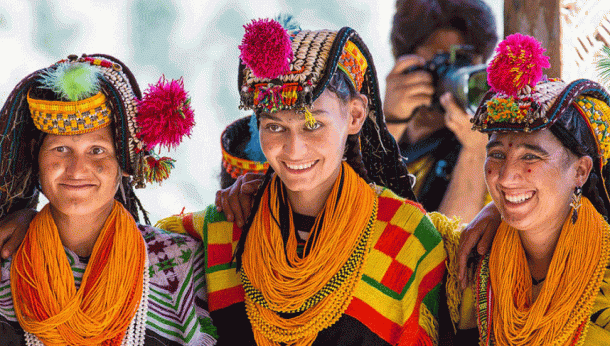
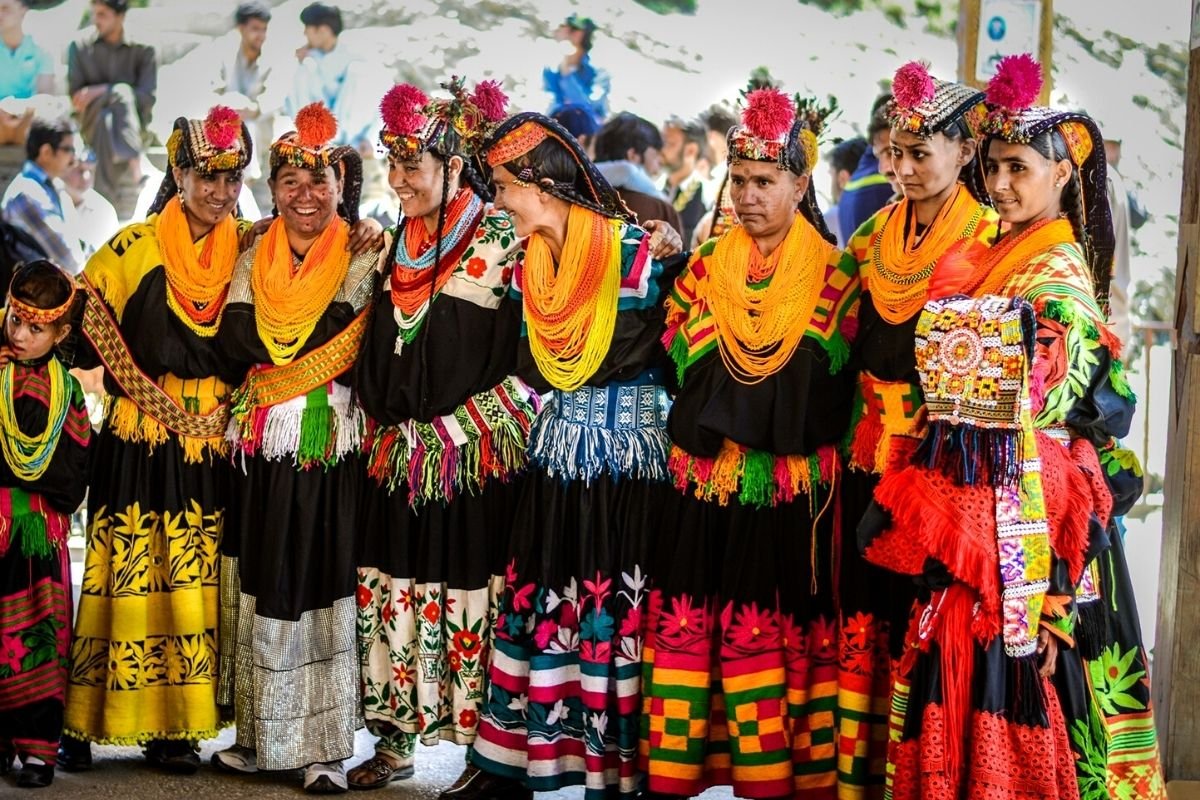
Step into the hidden valleys of northern Pakistan and experience the vibrant spring celebration of the Kalasha people. The Chilam Joshi Festival, held each May, marks the arrival of spring with colorful rituals, traditional music, and joyful dance. This 8-day cultural journey takes you deep into the scenic and spiritual heart of the Kalash Valleys — Bumburet and Rumbur — where ancient traditions live on.
Along the way, travel through the lush Swat Valley, cross the legendary Lowari Tunnel, and explore Chitral, home to centuries of rich mountain culture. Stay in locally owned guesthouses, enjoy intimate interactions with Kalasha families, and immerse yourself in one of the last remaining animist communities in the world. With its blend of remote landscapes and living heritage, this tour is perfect for those seeking authentic, off-the-beaten-path adventure with deep cultural connection.
Day by day
1Day 1: Arrival in Islamabad
Drive Time: Local Travel from Airport to Hotel
Distance: 30 km from City Centre
Altitude: 540 m (Islamabad)
Weather/Expected Temperature: Day ~18–24 °C, Night ~10–14 °C; mild spring weather with occasional rain possible.
Itinerary: Arrive at Islamabad International Airport and transfer to your hotel. Enjoy your first evening exploring the Margalla Hills foothills or downtown attractions such as Faisal Mosque and Daman‑e‑Koh. Dinner in a local restaurant showcasing Pakistani cuisine.
Night Stay: Islamabad
2Day 2: Drive Islamabad to Ayun Valley
Drive Time: ~5–6 hours
Distance: ~360–385 km to Ayun Valley via Lowari Tunnel route.
Altitude: ~1,400 m (Ayun Valley).
Weather/Expected Temperature: Cooler than Islamabad; Day ~10–15 °C, Night ~4–8 °C.
Itinerary: Early departure from Islamabad heading northwest through scenic terrain. Travel via M‑1, N‑45 and Lowari Tunnel into Chitral district. Stop en‑route at local viewpoints and roadside villages. Arrive in Ayun Valley by late afternoon. Enjoy walking around the valley, view the confluence of rivers and local bazaars.
Night Stay: Ayun Valley
3Day 3: Ayun to Bumburet (Kalash) + Attend Chilam Joshi Festivities (Day 1)
Drive Time: ~3 hours total
Distance: ~35–40 km from Ayun to Bumburet via Chitral town roads.
Altitude: ~1,600–2,300 m (Bumburet Valley).
Weather/Expected Temperature: Valley temps remain cool; Day ~8–14 °C, Night ~0–6 °C; higher altitudes may be chillier.
Itinerary: Depart Ayun after breakfast, drive through Chitral town, then ascend to Bumburet Valley. Attend Chilam Joshi Festival Day 1, experiencing traditional Kalasha dance, music, rituals and vibrant attire — a celebration of spring. (Note: The festival officially occurs mid‑May each year, but your dates in late March are off‑season for official festival dates. If you still wish to visit the Kalash culture in March, plan for cultural experiences and local dances with community hosts.)
Night Stay: Bumburet Valley
4Day 4: Bumburet to Rumbur — Cultural Exploration
Drive Time: ~1.5–2 hours over mountain roads
Distance: ~20–30 km between valleys (via scenic connecting roads).
Altitude: Similar high valley range.
Weather/Expected Temperature: Cool mountain climate; watch for wind chill.
Itinerary: Explore Rumbur Valley — noted for its deeper cultural immersion among Kalasha villages. Visit traditional homes, watch folk music and storytelling sessions, and enjoy panoramic mountain views. Stop at noteworthy natural sites such as waterfalls and trekking trails.
Night Stay: Rumbur Valley
5Day 5: Rumbur → Chitral Town → Chitral Gol National Park
Drive Time: ~3–4 hours
Distance: ~50–60 km back to Chitral + short drive to park.
Altitude: ~1,500 m (Chitral); higher in parts of Chitral Gol National Park.
Weather/Expected Temperature: Mountain region in late March remains cool; expect ~5–12 °C daytime with colder nights.
Itinerary: Descend from scenic Kalash valleys, stopping in Chitral Town for local bazaars and historic sites such as the Chitral Fort and Shahi Masjid. Continue to Chitral Gol National Park, home to diverse wildlife and panoramic valley views. Take nature walks and photography breaks.
Night Stay: Chitral Town / National Park area
6Day 6: Chitral to Peshawar
Drive Time: ~6–7 hours
Distance: ~295–300 km via Lowari Tunnel and N‑45 to Peshawar.
Altitude: ~359 m (Peshawar).
Weather/Expected Temperature: Mild to warm; Day ~20–24 °C, Night ~8–12 °C.
Itinerary: Early departure from Chitral through scenic valleys and Lowari Tunnel. Break for lunch midway in Dir or Mardan. Arrive in Peshawar by afternoon and check in. Spend your evening at the historic Qissa Khawani Bazaar and try local cuisine.
Night Stay: Peshawar
7Day 7: Peshawar City Tour
Drive Time: Minimal local transfers
Distance: Variable within city
Altitude: 359 m.
Weather/Expected Temperature: Pleasant daytime temperatures ~20–24 °C, nights ~8–12 °C.
Itinerary: Explore Peshawar’s heritage with visits to Bala Hisar Fort, Peshawar Museum (with Gandharan artifacts), historic mosques and gardens. Walk through historic old city streets to shop local handicrafts and spices.
Night Stay: Peshawar
8Day 8: Peshawar to Islamabad + Islamabad City Tour
Drive Time: ~3–4 hours
Distance: ~155 km via M‑1 Motorway.
Altitude: ~540 m (Islamabad).
Weather/Expected Temperature: Pleasant spring weather ~18–24 °C daytime, cooler at night.
Itinerary: Depart Peshawar mid‑morning for Islamabad. Arrive and explore Faisal Mosque, Pakistan Monument, Lok Virsa Museum, and the Centaurus Mall. Enjoy a farewell dinner at a recommended fine dining restaurant.
Night Stay: Islamabad
9Day 9: Return to Home Country
Drive Time: Local Travel from Hotel to Airport
Distance: 30 km from City Centre
Weather/Expected Temperature: As above for Islamabad.
Itinerary: Transfer to Islamabad International Airport for your flight home. Conclude your immersive cultural and scenic tour
What you will experience
- Witness the vibrant Chilam Joshi Spring Festival in Bumburet Valley with traditional Kalasha dance, music, and rituals
- Explore the remote Kalash Valleys of Bumburet and Rumbur, home to Pakistan’s ancient animist tribe
- Visit Kalasha shrines, community centers, and wooden villages with centuries-old traditions
- Scenic drive through Swat Valley, Dir, and the Lowari Tunnel, one of Pakistan’s highest mountain tunnels
- Discover the historic town of Chitral with views of Tirich Mir, the highest peak in the Hindu Kush range
- Enjoy cultural immersion with local families and Kalasha guides for authentic storytelling and folklore
- Relax in scenic guesthouses surrounded by orchards, forests, and terraced fields
- Perfect for cultural explorers, photographers, and nature lovers seeking a unique, off-the-beaten-path experience
What to bring
A practical starting point for this trip. Your guide will send a final, weather-checked list two weeks before departure.
Documents & essentials
- Passport valid 6+ months, plus photocopies stored separately
- Pakistan visa or e-visa confirmation printout
- Travel insurance certificate (mandatory — must cover altitude if trekking)
- Flight tickets and this itinerary, printed and on your phone
- Cash in USD or EUR for exchange; cards are not widely accepted outside major cities
- Passport-sized photographs for permits and hotel registration
Clothing
- Layered clothing — northern valleys are cool at night even in summer
- Fleece or insulated jacket for high passes such as Khunjerab and Babusar
- Light waterproof jacket
- Comfortable walking shoes plus sandals or trainers
- Modest clothing covering shoulders and knees for mosques, forts and villages
- A scarf or shawl (women should carry one for religious sites)
- Sun hat and sunglasses — UV is intense at altitude
Health & personal care
- Personal medication with a copy of the prescription
- Basic first-aid kit: blister plasters, painkillers, antihistamine, rehydration salts
- Anti-diarrhoeal and a broad-spectrum antibiotic if your doctor advises it
- High-factor sunscreen (SPF 50) and SPF lip balm
- Insect repellent
- Hand sanitiser and wet wipes
- Toilet paper — not reliably supplied outside hotels
Electronics
- Universal adapter — Pakistan uses type C and D sockets, 230 V
- Power bank; mains power is intermittent in mountain areas
- Camera with spare batteries — cold drains them quickly
- Phone with offline maps downloaded before departure
Good to have
- Reusable water bottle to reduce plastic waste
- Small padlock for luggage
- Snacks you like — choice is limited outside cities
- Earplugs and eye mask for long drives and shared lodges
- A small gift or postcards from home if you plan to visit local families
Before you travel
Best Time to Visit the Chilam Joshi Festival
Chilam Joshi is the great spring festival of the Kalash people, welcoming the arrival of summer pastures, the return of flocks to the high mountain meadows, and the renewal of life after the long Chitral winter. It is celebrated each year in mid-May, traditionally around the 13th to 16th of May, though the exact dates shift slightly based on the Kalash lunar calendar. If Choimus (the December festival) is the most sacred Kalash celebration, Chilam Joshi is arguably the most joyful and visually spectacular — a riot of colour, music, dancing, and communal feasting that has been drawing a growing number of international visitors in recent years.
May is an excellent time to visit this part of Pakistan for multiple reasons beyond the festival itself. The roads are open and in good condition after the winter thaw. The Kalash valleys — Bumburet, Rumbur, and Birir — are carpeted with wildflowers, the mulberry trees are leafing out, and the apricot orchards that line the valley floors are bright green after months of bare branches. The journey from Islamabad to Chitral passes through the magnificent scenery of the Dir valley, now substantially faster and more comfortable following improvements to the KKH and the opening of the Lowari Tunnel. Travelling in May means long daylight hours, warm-but-not-hot valley temperatures, and clear mountain views.
During Chilam Joshi, the Kalash valleys transform. Women and girls wear their finest embroidered robes, elaborately decorated headdresses strung with cowrie shells and beads, and flowers woven into their hair. The air fills with the sound of traditional Kalash music — flutes, drums, and chanting — and circle dances (dushak) that can continue for hours in the village courtyards. Cattle are decorated and driven to the high summer pastures in a ceremonial procession. The whole community participates, from toddlers to grandmothers, and visitors are often warmly invited to join the dances.
Daytime temperatures in mid-May in the Kalash valleys typically range from 18°C to 26°C — comfortably warm and ideal for outdoor events. Evenings in the valleys are cooler, dropping to around 8°C to 12°C, so pack a light fleece for after-dark celebrations. The higher roads between Islamabad and Dir can still have rain showers in May, but the main festival period is generally dry and clear. A light waterproof jacket is worth packing as a precaution.
This tour sells out every year, typically 8 to 12 months in advance. The Kalash valleys have limited accommodation capacity, and Chilam Joshi is now well-known among cultural travellers worldwide. If you are reading this in winter and considering the following May departure, act quickly — contact us to check availability and secure your place. Deposits are taken to confirm bookings, and group sizes are kept small (maximum 12 guests) to ensure an authentic, non-intrusive experience that the Kalash community welcomes.
Travel Tips for UK Visitors
British passport holders can obtain a Pakistan visa on arrival at Islamabad International Airport with minimal fuss. Present your passport, a passport photograph, and evidence of your return flight at the visa-on-arrival desk. The fee is approximately £35 to £45 (paid in US dollars or Pakistani rupees) and the process takes 20 to 40 minutes. For added convenience, apply for an e-visa in advance through visa.nadra.gov.pk — approval typically comes within 5 to 10 working days and lets you proceed directly through immigration on arrival.
Direct flights from London Heathrow to Islamabad (ISB) are operated by Pakistan International Airlines (PIA) and take approximately 8 to 9 hours non-stop. Qatar Airways, Emirates, and Turkish Airlines offer competitive one-stop options via Doha, Dubai, or Istanbul with total journey times of 10 to 14 hours. May fares are typically in the range of £600 to £950 return, though booking 6 to 9 months ahead can secure significantly better prices. From Islamabad, the overland journey to Chitral takes approximately 7 to 8 hours by private vehicle via the Lawari Tunnel route through Dir — a scenic journey through the grand landscapes of KP. Alternatively, domestic PIA flights from Islamabad to Chitral Airport (45 to 50 minutes) offer breathtaking views over the Hindu Kush, though they are weather-dependent and we treat road travel as the reliable backbone of the itinerary.
Pakistan uses the Pakistani Rupee (PKR), currently exchanging at approximately 350 to 360 PKR per pound sterling. The economy is cash-oriented outside major cities — in the Kalash valleys, cash is the only option. Draw sufficient PKR in Islamabad before your tour departs; while Chitral has a handful of ATMs, availability and reliability for international cards is patchy. Mix of 1,000 and 500 PKR notes recommended; bring some 100 PKR notes for tips, local purchases at the festival market stalls, and donations. The Kalash people sell beautiful handmade goods during festival time — embroidered fabrics, beadwork, dried fruits and walnuts — and buying directly from community members is a meaningful way to support local livelihoods.
A Jazz or Zong SIM from any mobile shop in Islamabad costs around £3 to £5 and provides 4G connectivity in Chitral town and along main roads. Coverage in the Kalash valleys is limited to 2G or 3G at best. Download offline maps, books, and media before leaving Chitral. Travel insurance covering medical evacuation is a mandatory booking requirement — ensure your policy covers Pakistan and KP province specifically. The nearest well-equipped hospital is in Peshawar. Emergency services: dial 1122 for KP Emergency Rescue.
Accommodation on This Tour
Accommodation during the Chilam Joshi tour combines mid-range hotels in Islamabad and Chitral with traditional family guesthouses inside the Kalash valleys. In Islamabad, we use comfortable 3-star to 4-star hotels in the F-6, F-7, or F-8 sectors — the city’s pleasant Green Zone area, close to good restaurants, the Jinnah Super Market, and easy access to the motorway for an early morning Chitral departure.
In Chitral, we stay at the Mountain Inn or the Hindukush Heights Hotel, both well-regarded properties for the region, with en-suite rooms, hot water, and heating. The Hindukush Heights offers sweeping views of Tirich Mir, the highest peak in the Hindu Kush at 7,708 metres, which provides a magnificent backdrop to the city.
Inside Bumburet valley — the largest and most accessible Kalash valley, and the main venue for Chilam Joshi celebrations — accommodation is in the best available family guesthouses. These are simple, warm, and deeply authentic: twin rooms with attached bathrooms (or shared facilities at some properties), traditional Kalash wooden decor, heavy quilts, and home-cooked meals prepared by the family. Sleeping in a Kalash guesthouse, waking to the sound of the stream and the morning drums beginning the day’s ceremonies, is an experience that stays with you. Electricity and hot water availability varies by property; pack a head torch and a portable power bank.
Festival time means the valleys are busy by local standards (though never crowded in the way European festivals get). Accommodation fills months before the festival — this is another reason early booking is essential. All meals are included as per the itinerary and feature local Kalash cooking: flat bread, walnut sauces, fresh curd, mutton dishes, and spring vegetables. Dietary requirements — vegetarian, gluten-free — should be noted at the time of booking and we will do our best to accommodate them.
Local Culture and Etiquette
The Kalash are a polytheistic people in the heart of a Muslim-majority country, and their festivals are genuine living ceremonies — not performances staged for tourists. Chilam Joshi is a religious and cultural event, and visitors are guests of the community. Behave accordingly: arrive curious and respectful, observe before participating, follow your guide’s direction, and leave the valleys in the same condition you found them.
Dress code: on the road from Islamabad through Dir and Chitral, modest dress is important — this is a conservative Muslim region of KP. Women should wear loose-fitting clothes covering arms and legs and carry a headscarf for use in towns, at mosques, and on the road. Inside the Kalash valleys, the atmosphere is more relaxed: Kalash women do not cover their hair and the community has a more open social culture. However, foreign visitors should still dress modestly out of respect. Men should avoid shorts anywhere on the itinerary.
Photography during the festival is generally welcomed — the Kalash people are proud of their traditions and largely comfortable with respectful documentation. However, always ask before photographing individuals, especially during intimate ceremonial moments. If someone declines, respect that immediately. Certain shrine areas and purification ceremonies are off-limits to non-Kalash visitors; your guide will clearly indicate boundaries. Purchasing a handmade item from community craft sellers is a thoughtful way to acknowledge the privilege of witnessing these celebrations.
Tipping: tip your lead guide 700 to 1,000 PKR per day, valley guides 300 to 500 PKR per day, and your driver 300 to 500 PKR per day. Hotel staff: 200 to 300 PKR per property. Bring an envelope of small notes set aside specifically for tips — it makes the logistics easy and ensures everyone is fairly recognised. No alcohol is available outside the Kalash valleys; respect this norm throughout the journey.
Safety and Health Information
The Chilam Joshi tour presents minimal serious safety concerns by adventure travel standards. The Kalash valleys sit at 1,800 to 2,200 metres above sea level — comfortable altitudes that rarely cause problems for healthy travellers. Chitral town is at 1,500 metres. Mild acclimatisation on the first day is sensible: don’t run a race on arrival; stay hydrated; limit alcohol.
Road safety is the main consideration. Mountain roads in KP require experienced drivers, and all our vehicle operators are professional, locally-licensed mountain drivers with extensive experience on these routes. The main Islamabad-to-Chitral road via Lowari Tunnel is surfaced and well-maintained. The road from Chitral into Bumburet valley involves a partially unpaved section that can be rough; appropriate closed-toe footwear is required. In May, landslides are occasionally possible on mountain roads following heavy rain; our guides monitor conditions and route accordingly.
Health: there are no specific vaccine requirements for Pakistan beyond routine UK vaccinations, though Hepatitis A, Typhoid, and a current Tetanus booster are sensible for rural Pakistan travel. Malaria risk in Chitral and at these altitudes is very low but consult your GP or travel clinic in advance. Bring your own supply of any prescription medications. Pack a personal first aid kit including ibuprofen, antihistamine, antiseptic, blister plasters, and rehydration sachets. Drink bottled or filtered water throughout; a filtered water bottle reduces both cost and plastic waste in the valleys.
Festival safety: Chilam Joshi attracts visitors from across Pakistan as well as international tourists, and main ceremony areas in Bumburet can become lively and crowded at peak moments. Stay with your group, follow your guide, and be aware of your belongings in crowded areas. Emergency services: 1122 (KP Emergency Rescue). Travel insurance including medical evacuation is a mandatory booking requirement — confirm your policy covers Pakistan and that it includes air evacuation if required.
When to travel
Chilam Joshi Festival window. Highlighted months are when we run this itinerary. Private departures can be arranged on any date — just ask.
Dates shown are guide departures. Exact start dates are confirmed at the time of booking and can be adjusted to suit your flights.
Plan your Chilam Joshi Festival: Islamabad to Kalash Valley
Tell us your dates and we will build this itinerary around them — private guide, your pace, your interests. We reply within one working day.
Or call +92 342 5017535
Questions travellers ask
1. What is the Chilam Joshi Festival and why is it significant?
The Chilam Joshi Festival marks the arrival of spring and is celebrated by the Kalash people in Bumburet, Rumbur, and Birir Valleys. It’s known for colorful traditional clothing, ritual dancing, spiritual songs, and community feasts, making it one of the most iconic cultural festivals in Pakistan.
2. When does the Chilam Joshi Festival take place each year?
Chilam Joshi is held annually in mid-May, making it one of the best times to visit the Kalash Valley. Our tour is scheduled to coincide with the main celebration days so that travelers don’t miss the most vibrant cultural performances.
3. Is this Kalash festival tour suitable for international tourists and photographers?
Yes, this tour is perfect for international travelers, culture lovers, photographers, and even academic researchers. It provides a safe, respectful, and immersive opportunity to experience indigenous Kalash traditions and Chitral Valley culture.
4. What should I pack for the Kalash Chilam Joshi tour?
Pack light warm clothing for cool evenings, comfortable walking shoes, a camera, sunscreen, and a scarf or shawl (especially for women during village visits). A power bank and basic personal medicines are also recommended due to remote access.
5. What accommodations and transport are included in the Chilam Joshi tour?
The tour includes hotel stays in Chitral and authentic guesthouse accommodations in Kalash Valley, with private transport from Islamabad and local jeeps for mountain routes. All meals, guides, and festival access are included in this fully guided cultural tour of Northern Pakistan.