Hunza & Fairy Meadows Trek (2026) – 10 Days & 9 Nights
Embark on an unforgettable 10-day journey through northern Pakistan’s most iconic landscapes—from the alpine paradise of Fairy Meadows to the historic forts and glacier-fed lakes of the Hunza Valley.
About this journey
Embark on an unforgettable 10-day journey through northern Pakistan’s most iconic landscapes—from the alpine paradise of Fairy Meadows to the historic forts and glacier-fed lakes of the Hunza Valley. This expertly guided tour is perfect for nature lovers, adventure seekers, and cultural travelers alike.
Begin your adventure with a scenic drive through the Kaghan Valley, followed by a thrilling jeep ride and hike to Fairy Meadows, nestled at the base of Nanga Parbat, the world’s 9th highest mountain. Camp beneath star-filled skies, explore the peaceful Beyal Camp, and experience one of Pakistan’s most celebrated trekking routes.
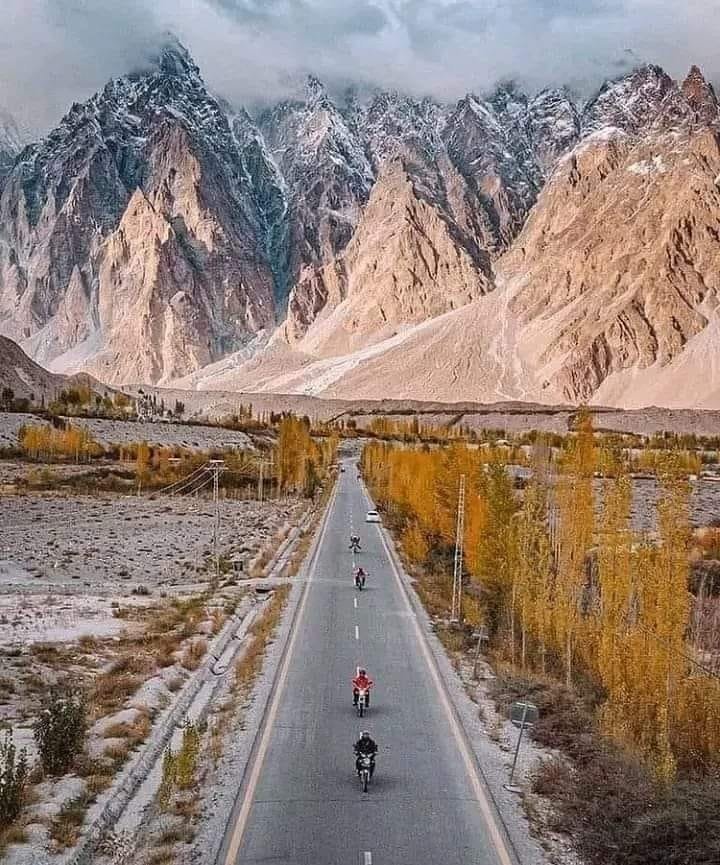
Next, travel along the legendary Karakoram Highway (KKH) to the enchanting Hunza Valley, where ancient forts, snow-capped peaks, and warm local hospitality await. Discover the stories of Baltit and Altit Forts, enjoy boating on Attabad Lake, walk through Passu Village, and marvel at the towering Passu Cones and Khunjerab Pass—the highest paved border crossing in the world.
This 10-day Hunza & Fairy Meadows tour combines natural beauty, cultural heritage, and high-altitude adventure, offering a complete experience of Northern Pakistan’s top destinations.
Day by day
1Day 1: Arrival in Islamabad
Arrive at Islamabad International Airport where our representative will greet you and transfer you to your hotel. Depending on your arrival time, you can unwind or explore the city. In the evening, enjoy a welcome dinner and briefing session. Overnight stay in Islamabad.
2Day 2: Islamabad to Naran (Drive Time: 8–9 hours)
After breakfast, we begin our journey toward Naran, passing through Haripur, Abbottabad, and Balakot. After checking in to our hotel, we take a thrilling jeep ride to Saiful Muluk Lake, nestled at 3,000m beneath the snow-capped Malika Parbat. Optional activities like boating or horse riding are available. Overnight stay in Naran.
3Day 3: Naran to Fairy Meadows via Raikot Bridge & Tatu Village (Drive Time: 7–8 hours)
We continue our journey along the Karakoram Highway, pausing at picturesque viewpoints before reaching Raikot Bridge. From here, we take jeeps on a daring off-road trail to Tatu Village, followed by a short trek (or horse ride) to reach Fairy Meadows. Overnight stay in wooden cabins with dramatic views of Nanga Parbat.
4Day 4: Fairy Meadows & Beyal Camp Hike
Wake up to breathtaking alpine views. Today, we hike to Beyal Camp, enjoying lush forests, glacial streams, and panoramic vistas. You’ll have time to connect with nature, meet local shepherds, or simply relax in the meadows. In the evening, gather around the bonfire under a star-filled sky. Overnight stay in Fairy Meadows.
5Day 5: Fairy Meadows to Hunza via Gilgit (Drive Time: 8–9 hours)
After breakfast, we trek back to Tatu Village and descend by jeep to Raikot Bridge. We then continue to Gilgit for a lunch break, before heading north toward the legendary Hunza Valley. We arrive in Karimabad in the evening. Overnight stay in Hunza.
6Day 6: Baltit Fort, Altit Fort & Duikar Sunset
Today, we explore the historic Baltit Fort and its royal chambers, followed by a tour of Altit Fort nestled in the apricot-laden royal gardens. After visiting a local women’s handicraft center and enjoying walnut cake at Café de Hunza, we trek to Duikar to catch a golden sunset over the Karakoram Range. Overnight stay in Karimabad.
7Day 7: Attabad Lake, Passu Cones & Khunjerab Pass Excursion (Drive Time: 6–7 hours)
We venture to the vibrant blue waters of Attabad Lake and view the striking Passu Cones. Continuing north, we pass through the Wildlife Conservation Area in Khyber to reach Khunjerab Pass—the Pakistan-China border at 4,700m. On the return, we stop at the Hussaini Suspension Bridge for a thrilling crossing. Overnight stay in Gulmit.
8Day 8: Hunza to Naran (Drive Time: 8–9 hours)
We depart early and travel south through the scenic valleys of Gilgit-Baltistan and Kaghan. After a full day of driving and scenic stops, we arrive in Naran. Overnight stay in Naran.
9Day 9: Naran to Islamabad – Capital City Tour (Drive Time: 7–8 hours)
Today we return to Islamabad. Upon arrival, we visit major landmarks including the Faisal Mosque and Daman-e-Koh. A farewell dinner awaits you at Monal Restaurant with stunning views of the capital. Overnight stay in Islamabad.
10Day 10: Departure
After breakfast, we transfer you to the airport for your departure flight. End of tour.
What you will experience
- Experience the adrenaline-pumping jeep ride to Tatu Village and hike to Fairy Meadows
- Camp beneath the majestic Nanga Parbat—known as the “Killer Mountain”
- Explore ancient forts in Hunza and enjoy cultural insights in Altit & Baltit
- Witness turquoise waters at Attabad Lake and cross the legendary Hussaini Suspension Bridge
- Visit Khunjerab Pass, the highest border crossing in the world
What to bring
A practical starting point for this trip. Your guide will send a final, weather-checked list two weeks before departure.
Documents & essentials
- Passport valid 6+ months, plus photocopies stored separately
- Pakistan visa or e-visa confirmation printout
- Travel insurance certificate (mandatory — must cover altitude if trekking)
- Flight tickets and this itinerary, printed and on your phone
- Cash in USD or EUR for exchange; cards are not widely accepted outside major cities
- Passport-sized photographs for permits and hotel registration
Trekking clothing
- Broken-in trekking boots with ankle support — do not bring new boots
- Camp shoes or trainers for evenings
- Thermal base layers (2 sets), moisture-wicking
- Fleece or softshell mid-layer, plus an insulated jacket for camp
- Waterproof shell jacket and overtrousers
- Trekking trousers (2 pairs) and quick-dry shirts
- Trekking socks (4–5 pairs) plus liners
- Sun hat, warm hat and gloves — temperatures swing sharply with altitude
Trekking equipment
- Daypack, 30–35 L, with rain cover
- Duffel or kit bag for porter-carried gear
- Sleeping bag rated to −10°C (rentable locally on request)
- Trekking poles, adjustable
- Headtorch with spare batteries
- Water bottles or hydration bladder, 2–3 L total capacity
- Water purification tablets or filter
- Dry bags or heavy-duty liners to keep kit dry
Health & personal care
- Personal medication with a copy of the prescription
- Basic first-aid kit: blister plasters, painkillers, antihistamine, rehydration salts
- Anti-diarrhoeal and a broad-spectrum antibiotic if your doctor advises it
- High-factor sunscreen (SPF 50) and SPF lip balm
- Insect repellent
- Hand sanitiser and wet wipes
- Toilet paper — not reliably supplied outside hotels
- Altitude sickness medication (Acetazolamide) — discuss with your doctor before travel
Electronics
- Universal adapter — Pakistan uses type C and D sockets, 230 V
- Power bank; mains power is intermittent in mountain areas
- Camera with spare batteries — cold drains them quickly
- Phone with offline maps downloaded before departure
Good to have
- Reusable water bottle to reduce plastic waste
- Small padlock for luggage
- Snacks you like — choice is limited outside cities
- Earplugs and eye mask for long drives and shared lodges
- A small gift or postcards from home if you plan to visit local families
Before you travel
Best Time to Visit Hunza and Fairy Meadows
Hunza Valley and Fairy Meadows together span an enormous elevation range — from Karimabad at 2,440 metres to the Khunjerab Pass at 4,693 metres and Nanga Parbat Base Camp at approximately 4,200 metres — which means the best season is largely dictated by where on the tour you want the conditions to be optimal. The consensus among experienced travellers is that June through September offers the most reliable combination of open roads, slear skies, and accessible higher terrain. But each part of the season has its own distinct character worth understanding before you choose.
Late March and April bring Hunza’s most spectacular display: the blossom season, when every apricot and cherry orchard in the valley erupts simultaneously in pink and white, and the old terraced fields below Baltit Fort are transformed into a scene of almost improbable beauty. This is one of the iconic images of Pakistan and draws a significant number of visitors from both within the country and abroad. Temperatures are fresh rather than warm — 8–16°C in the valley — and Fairy Meadows and Khunjerab are still snow-covered at this time of year, making the trekking component of this tour inaccessible until late May at the earliest. If blossom is the priority, spring is the answer; if trekking is the priority, June onwards is more appropriate.
June and July mark the opening of the full tour season. The Khunjerab Pass officially opens on 1 May, though heavy snow can delay practical vehicle access until June. By June, Fairy Meadows has its first patches of open ground and the wooden cottages at the meadow edge begin to take in guests. July brings the warmest temperatures of the year — 28–32°C in Hunza Valley, pleasantly cool at the meadow at 3,300 metres — and the Karakoram Highway (KKH) is operating at full capacity with the Attabad Lake boat crossing, jeep transfers to the Fairy Meadows access point, and the full network of hotels, guesthouses, and guides in service. Mountain views are often at their best in July when the air is clearest above the Rakaposhi massif and the Passu Cones.
August and September are the peak trekking months and arguably the finest time to be in Gilgit-Baltistan. The Nanga Parbat Base Camp trek on the Fairy Meadows approach is at its most reliable, with settled weather windows and fully operational camp services. The Khunjerab Pass remains open and crossable to the China border. Attabad Lake is a brilliant turquoise and the boat crossing is running daily. The Passu Glacier viewpoints are dramatic in the clear autumn light, and the villages of Upper Hunza (Gojal) harvest buckwheat and potatoes in terraced fields that look unchanged since medieval times. September in particular offers an ideal combination of warm days and cold crisp nights that makes camping at Fairy Meadows especially memorable.
October sees the first snows arrive on the high passes and the Khunjerab closes for winter in mid-October, but Hunza Valley itself remains warm and accessible through the month, and the autumn colour of the poplar and apricot trees rivals anything in Japan or New England. Fairy Meadows becomes inaccessible with the first serious snowfall, typically in late October. The KKH remains open through winter in the lower sections but the Gilgit to Skardu road can close. For this combined tour, the practical season runs from early June to late September, with August being the optimal single month if you can only choose one.
Travel Tips for UK Visitors
British passport holders are eligible for a Pakistani tourist visa on arrival at Islamabad International Airport, valid for 30 days and costing approximately £35–45. The e-visa route through visa.nadra.gov.pk is more convenient: apply at least three to five days before travel, download the approval to your phone, and carry a printed copy as a backup. Your passport needs at least six months’ remaining validity, and you will need to show a confirmed return ticket. The Karakoram Highway and Gilgit-Baltistan are open to foreign tourists with a standard tourist visa; no additional permits or No Objection Certificates (NOCs) are required for this specific tour route, though your guide will carry copies of all relevant documentation.
Flights from the UK to Pakistan route through Dubai (Emirates), Doha (Qatar Airways), Abu Dhabi (Etihad), or Istanbul (Turkish Airlines), with total door-to-door times of around 14–17 hours. PIA operates a direct London Heathrow to Islamabad service. From Islamabad, the journey to Hunza by road via the Karakoram Highway takes approximately 14–16 hours by private vehicle or overnight bus, and is one of the great road journeys in the world — the KKH follows the Indus River gorge through some of the deepest and most dramatic terrain on the planet, passing through Besham, Chilas, and Gilgit before rising into the Hunza Valley. Alternatively, a 45-minute domestic flight to Gilgit, followed by a two-hour drive, gets you to Hunza considerably faster, though flights are weather-dependent. Your tour operator will advise on the most practical routing based on your arrival day.
Cash is essential throughout this tour. ATMs exist in Gilgit and occasionally in Karimabad, but they are unreliable and frequently out of service. Carry a generous supply of Pakistani Rupees (PKR) from Islamabad, where exchange bureaux in the Blue Area offer strong rates. The exchange rate at the time of writing is approximately 350–360 PKR to the pound sterling. Credit cards are not accepted at guesthouses, trekking camps, restaurants, or craft shops anywhere on the Karakoram Highway route. Budget approximately £25–35 per day for incidentals including meals, snacks, souvenirs, and tips. The handicraft market in Karimabad is excellent — semi-precious gemstones, carved wood, hand-embroidered items — and prices are modest by UK standards.
Health preparation is particularly important for this tour, which reaches Khunjerab Pass at 4,693 metres and Nanga Parbat Base Camp at approximately 4,200 metres. Consult your GP at least six weeks before departure. Recommended vaccinations include hepatitis A, typhoid, and a tetanus booster. Diamox (acetazolamide) is strongly recommended for the high-altitude portions of this itinerary and should be discussed with your GP well in advance — it is contraindicated in sulpha drug allergy and several other conditions. Comprehensive travel insurance with medical evacuation cover is non-negotiable and mandatory on this tour. Carry a personal first-aid kit with blister plasters, oral rehydration salts, anti-diarrhoea medication, and high-factor sun cream; the UV index at altitude is significantly higher than at sea level in the UK.
Accommodation on This Tour
In Karimabad, Hunza, this tour uses well-regarded hotels that combine comfortable facilities with dramatic views of Baltit Fort and the Rakaposhi massif. The Hunza Embassy Hotel, Old Hunza Inn, and Serena Hotel Hunza (where budget allows) are all established properties offering clean, heated en-suite rooms, reliable hot water, and restaurant menus built around local Hunzai produce — dried apricots, walnut chutneys, buckwheat bread, and the celebrated Hunzai butter tea. The Serena property, part of the Aga Khan Development Network portfolio, offers the most polished experience in Karimabad, with beautifully appointed rooms, a well-curated heritage aesthetic, and a restaurant that sources local organic ingredients. All three hotel options are positioned in or just above the main bazaar, making it easy to explore Karimabad’s lanes, viewpoints, and the extraordinary Baltit Fort on foot.
The Eagle’s Nest Hotel, positioned at approximately 3,200 metres on the ridge above Karimabad, is one of the most celebrated overnight stays in Pakistan. The views from its terrace encompass Rakaposhi, Diran, Ultar Sar, Spantik, and a sweep of the Karakoram that takes in seven or eight peaks above 7,000 metres simultaneously — a panorama that genuinely defies superlatives. The rooms are simple but clean, the restaurant serves solid local and continental food, and the sunsets from the terrace over the Hunza and Nagar valleys are among the finest anywhere in the world. The access road from Karimabad requires a 4WD vehicle and takes about 20 minutes. This property features on this itinerary for at least one night.
At Fairy Meadows, accommodation is provided in traditional wooden guesthouses or tented camps at the meadow edge at approximately 3,300 metres, with Nanga Parbat’s Raikot Face rising directly above you to 8,126 metres. The guesthouses are simple but atmospheric: wooden-framed rooms with basic beds and thick blankets, shared bathroom facilities with cold water (a warm shower is available at some), and a communal kitchen area where meals are prepared on wood fires. The food is hearty mountain fare — rice, daal, chapati, omelettes, and local honey. Temperatures at the meadow drop sharply after sunset even in July and August, typically to 5–8°C, so a sleeping bag rated to at least −5°C is strongly recommended. The meadow itself, surrounded by ancient pine and cedar trees with the Diamir Face of Nanga Parbat filling the sky above, creates one of the most extraordinary sleeping locations in the Himalayas.
Local Culture and Etiquette in Hunza
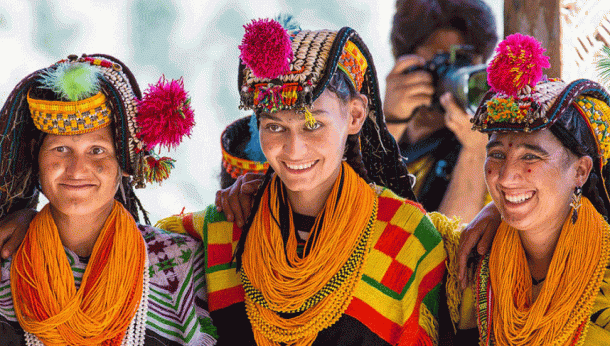
The Hunza Valley is home to one of Pakistan’s most globally distinctive communities. The majority of Hunzai people follow the Ismaili branch of Shia Islam, guided by the spiritual and practical leadership of His Highness the Aga Khan. The Ismaili Development Network has invested heavily in education, health, and women’s empowerment across Gilgit-Baltistan over the past five decades, and the results are visible: Hunza has some of the highest literacy rates and female workforce participation rates in Pakistan, and the community’s social life is conspicuously more open than in many other parts of the country. Women run guesthouses, work as teachers and doctors, and participate fully in public life. Mixed company between genders is entirely normal in social and professional settings.
That said, Hunza remains a Muslim community and modest dress is the appropriate standard for visitors at all times in public. For women, this means covering shoulders and knees; a lightweight headscarf is advisable for visiting mosques or more conservative villages but is not required in Karimabad’s main bazaar or at most tourist sites. Male visitors should wear trousers rather than shorts outside of active trekking. Hunzai people are genuinely curious about foreign visitors and will often approach to practise English, ask about your home country, or invite you for tea — accepting these invitations with warmth and time is one of the great pleasures of visiting. Never rush a tea conversation.
Photography in Hunza is welcomed in almost all public settings — the markets, the forts, the orchards, the festival occasions — and the community is generally relaxed about cameras. Ask before photographing individuals, particularly in more rural villages, and be especially thoughtful about photographing women if you are a male visitor. At Fairy Meadows and along the Nanga Parbat trekking routes, photography is unrestricted in landscapes; the guesthouse families appreciate having photos shared with them on your phone screen. Tipping for guides and trekking porters on the Fairy Meadows route is customary and important: 500–1,000 PKR per day for guides is appropriate, with a similar amount for porters who carry loads. Your tour leader will advise on the local norms before the trekking sections begin.
Alcohol is not available in Gilgit-Baltistan and the region is legally dry. The social substitute is abundant: freshly pressed apricot and mulberry juice in summer, hot chai, and the locally famous butter tea (salt tea with yak butter, an acquired taste but worth trying once). Hunzai hospitality is genuine and generous — if you are invited into a home, remove your shoes at the threshold, accept the tea and dried fruit that will be offered, and if you are given a gift of local produce, receive it with both hands as a mark of respect.
Safety and Health Information
This tour reaches some of the highest ground accessible to non-technical travellers anywhere in Asia, and altitude is the dominant health consideration throughout. The staging is as follows: Islamabad at 507 metres, Karimabad at 2,440 metres, Fairy Meadows at 3,300 metres, Nanga Parbat Base Camp at approximately 4,200 metres, and Khunjerab Pass at 4,693 metres. Each of these elevations carries an increasing risk of altitude sickness (acute mountain sickness, AMS), and the combined ascent over the 10-day itinerary demands careful management of pace and hydration.
Mild AMS typically presents as persistent headache, fatigue, nausea, and disturbed sleep on the first night at a new elevation. More serious forms include high-altitude pulmonary oedema (HAPE) and high-altitude cerebral oedema (HACE), which are medical emergencies requiring immediate descent. The itinerary is structured with acclimatisation nights in Hunza before ascending to Fairy Meadows, and the drive to Khunjerab Pass is a day excursion from lower altitude rather than an overnight stay at the border. Drink three to four litres of water daily throughout the high-altitude sections, avoid alcohol on the first nights at each new elevation, and do not ascend further if symptoms are worsening. Diamox (acetazolamide) is strongly recommended for guests who are prone to AMS or who have experienced it previously — consult your GP six or more weeks before departure.
The access route to Fairy Meadows from Raikot Bridge on the Karakoram Highway is one of the roughest vehicle roads in Pakistan: a steep, narrow, unsurfaced jeep track that clings to the valley side for approximately eight kilometres before depositing you at the trailhead. Even in a well-maintained 4WD, the track takes 45 minutes to an hour and is genuinely vertiginous in places. From the trailhead, the walk to the meadow is a 1.5 to 2-hour uphill hike on a well-maintained forest track — tiring at altitude but well within the capability of any reasonably fit adult. Porters are available to carry luggage and are strongly recommended for guests who are not regular trekkers. The track is used daily throughout the season and is not a technical route, but appropriate trekking footwear with ankle support is essential.
Medical facilities between Gilgit and Skardu are basic, with the nearest well-equipped hospital in Gilgit city. For serious medical events at Fairy Meadows or the Khunjerab area, helicopter evacuation would be required; this is where comprehensive travel insurance with unlimited medical evacuation cover becomes not merely advisable but critical. Emergency contacts include 1122 Rescue Services in Gilgit-Baltistan and 15 for police. The Pakistan Army and local rescue services maintain a presence on the main Karakoram Highway corridor and response times to reported incidents have improved significantly in recent years. All guests are required to carry comprehensive travel insurance with medical evacuation cover as a mandatory condition of booking on this tour.
When to travel
Trekking season. Highlighted months are when we run this itinerary. Private departures can be arranged on any date — just ask.
Dates shown are guide departures. Exact start dates are confirmed at the time of booking and can be adjusted to suit your flights.
Plan your 10 Days Hunza & Fairy Meadows Trekking Tour
Tell us your dates and we will build this itinerary around them — private guide, your pace, your interests. We reply within one working day.
Or call =92 342 5017535
Questions travellers ask
1. What is the best time to visit Fairy Meadows and Hunza Valley?
The ideal time to book this Fairy Meadows and Hunza tour is between May and October, when the weather is mild, roads are open, and the valleys are in full bloom. This is also the best time for trekking in Fairy Meadows and enjoying scenic views in Hunza Valley.
2. How physically demanding is the hike to Fairy Meadows and Beyal Camp?
The hike from Tatu Village to Fairy Meadows takes around 2–3 hours and is rated moderate. The optional hike to Beyal Camp or Nanga Parbat Base Camp is more strenuous but offers stunning alpine scenery. This tour is ideal for those with basic trekking experience and reasonable fitness.
3. What are the must-see highlights of this 10-day Northern Pakistan tour?
Key attractions include Fairy Meadows, Nanga Parbat, Baltit Fort, Altit Fort, Attabad Lake, Passu Cones, Khunjerab Pass, and cultural walks through Hunza’s historic villages. This is one of the most comprehensive northern Pakistan tours for nature and culture lovers.
4. Is this tour safe and suitable for international tourists?
Yes, our Fairy Meadows and Hunza Valley tour is fully guided and includes safe transportation, comfortable accommodation, and local expertise. Both Fairy Meadows and Hunza are considered tourist-friendly destinations with increasing international interest and a warm local welcome.