Islamabad Day Tour (2026) – Faisal Mosque, Margalla & Museums
Modern, green, and serene Islamabad offers a perfect blend of natural beauty and cultural landmarks.
About this journey
Modern, green, and serene Islamabad offers a perfect blend of natural beauty and cultural landmarks. This full-day tour introduces you to the capital’s top attractions, from ancient relics to contemporary marvels, scenic hills, and vibrant local life. Whether you’re a solo traveler, a couple, or a group, this curated experience reveals the spirit of Pakistan’s most peaceful and thoughtfully designed city.
Day by day
1Itinerary
Your day begins with a pickup from your hotel in Islamabad at 9:00 AM. The first stop is the stunning Faisal Mosque, an architectural marvel nestled against the foothills of the Margalla Mountains. After soaking in its serene beauty, the tour continues uphill to Daman-e-Koh, a popular viewpoint offering panoramic vistas of Islamabad and beyond. Next, enjoy a scenic drive through the Margalla Hills National Park before stopping for lunch at a local favorite such as Monal Restaurant or Des Pardes in Saidpur Village—both known for their delicious Pakistani cuisine and charming settings. After lunch, explore the fascinating Lok Virsa Museum, which showcases the diverse ethnic cultures and crafts of Pakistan. From there, you’ll visit the Pakistan Monument, where the symbolic petal-shaped structure stands proudly on Shakarparian Hill alongside a small museum chronicling the country’s history. Your final stop is Saidpur Village, a restored heritage village that blends Mughal-era charm with modern-day cafés and artisan shops. If time allows, enjoy a short visit to Centaurus Mall or F-6 Markaz for tea or local shopping before being dropped back at your hotel by 6:30 PM.
What you will experience
- Faisal Mosque – Pakistan’s largest mosque and a symbol of Islamic architecture
- Daman-e-Koh Viewpoint – Panoramic views of the city from the Margalla Hills
- Lok Virsa Museum – A showcase of Pakistan’s diverse cultures and crafts
- Pakistan Monument & Museum – A national symbol and heritage gallery
- Saidpur Village – A restored Mughal village turned café and artisan hub
- Centaurus Mall or F-6 Markaz – For some relaxed shopping or chai time
- Lunch at a local restaurant – Enjoy Pakistani cuisine in a scenic spot
What to bring
A practical starting point for this trip. Your guide will send a final, weather-checked list two weeks before departure.
Documents & essentials
- Passport valid 6+ months, plus photocopies stored separately
- Pakistan visa or e-visa confirmation printout
- Travel insurance certificate (mandatory — must cover altitude if trekking)
- Flight tickets and this itinerary, printed and on your phone
- Cash in USD or EUR for exchange; cards are not widely accepted outside major cities
- Passport-sized photographs for permits and hotel registration
Clothing
- Comfortable walking shoes with grip
- Modest clothing covering shoulders and knees — required at mosques and shrines
- A scarf or shawl (women should carry one for religious sites)
- Light jacket or fleece for early starts and evenings
- Sun hat and sunglasses
Health & personal care
- Personal medication with a copy of the prescription
- Basic first-aid kit: blister plasters, painkillers, antihistamine, rehydration salts
- Anti-diarrhoeal and a broad-spectrum antibiotic if your doctor advises it
- High-factor sunscreen (SPF 50) and SPF lip balm
- Insect repellent
- Hand sanitiser and wet wipes
- Toilet paper — not reliably supplied outside hotels
Electronics
- Universal adapter — Pakistan uses type C and D sockets, 230 V
- Power bank; mains power is intermittent in mountain areas
- Camera with spare batteries — cold drains them quickly
- Phone with offline maps downloaded before departure
Good to have
- Reusable water bottle to reduce plastic waste
- Small padlock for luggage
- Snacks you like — choice is limited outside cities
- Earplugs and eye mask for long drives and shared lodges
- A small gift or postcards from home if you plan to visit local families
Before you travel
Best Time to Visit Islamabad
Islamabad enjoys one of Pakistan’s most pleasant climates year-round, and as a day tour destination it can comfortably be visited in any season — though each brings a distinctly different atmosphere.
Spring (March–May) is widely considered the finest time to visit the capital. Temperatures hover between 18°C and 30°C, the Margalla Hills turn vivid green after winter rains, and the city’s parks and gardens burst into bloom. The Rose and Jasmine Garden at F-6 is particularly stunning in April. Visibility is crisp, making the distant Margalla ridgeline sharp against a blue sky — ideal for photographs at Pakistan Monument and Daman-e-Koh.
Pre-monsoon (June) brings rising heat — expect 35°C to 40°C in the city itself — though mornings remain manageable. The Margalla Hills viewpoints above 1,000 m stay noticeably cooler. June can be dusty with occasional thunderstorms rolling in from the west.
Monsoon (July–August) transforms Islamabad into a lush, deeply green city. Rainfall is frequent but usually short and sharp, clearing to leave the air fresh and the hills dramatically misty. Humidity climbs, but the cooler afternoons (rarely above 30°C) make outdoor sightseeing after midday rain entirely comfortable. The Rawal Lake foreshore and Margalla Trail 3 are particularly beautiful at this time.
Autumn (September–November) is arguably Islamabad’s golden season. The monsoon clears, skies turn an intense blue, temperatures ease to 20–28°C, and the deciduous trees on the Margalla slopes turn amber and gold from October. This is when Islamabad is at its photogenic best — highly recommended if you are combining the day tour with onward travel north to Naran, Hunza or Gilgit-Baltistan, as the roads are also at their most accessible.
Winter (December–February) brings sharp, clear days of 8–16°C with occasional frost at night and rare but magical snowfall on the upper Margalla slopes. Faisal Mosque looks spectacular against a clear winter sky, and the city is far less crowded with tourists. Pack a warm layer — early morning starts in December can be genuinely cold.
Travel Tips for UK Visitors
Visa: UK passport holders can obtain a Pakistan e-Visa (ETPB/NADRA) through visa.nadra.gov.pk. The tourist e-Visa costs approximately £35–45 and grants a 30-day stay (extendable to 90 days at NADRA offices in Islamabad). Processing takes 1–3 business days online; avoid leaving it until the last minute. A tourist-on-arrival option exists for UK nationals at Islamabad International Airport (IATA: ISB) but the e-Visa is faster and avoids queues.
Flights: Islamabad International Airport (ISB) has direct and one-stop connections from London Heathrow, London Gatwick and Manchester via Pakistan International Airlines (PIA), Turkish Airlines, Qatar Airways, Emirates and Etihad. Flight time is approximately 8–10 hours on a direct service (PIA LHR–ISB) or 13–16 hours with a Gulf hub connection. ISB airport is modern (opened 2018) and well-connected to the city centre — approximately 25–35 minutes by taxi or Uber.
Currency: The Pakistani Rupee (PKR) trades at approximately 350–360 PKR to £1 as of late 2026. ATMs are plentiful in Islamabad’s Blue Area and F-7/F-8 sectors; Meezan Bank, HBL and Standard Chartered all reliably dispense PKR on Visa/Mastercard. Notify your UK bank before travel. Cash is strongly preferred at bazaars, local restaurants and smaller shops. Exchange counters at ISB airport offer reasonable rates for GBP sterling — carry some PKR from arrival.
SIM Card: A local SIM (Jazz, Zong or Telenor) costs around £2–4 including initial data credit and gives excellent 4G/5G coverage across Islamabad. Available at the airport arrivals hall with passport required for registration. WhatsApp works seamlessly for staying in touch with your guide.
Transport within Islamabad: The capital is very spread out — sectors are designed to be driven, not walked. Uber and inDrive are active and reliable in Islamabad, with competitive metering. Our day tour includes all ground transport, so you will not need to arrange taxis independently. If you extend your stay, Islamabad’s Metrobus connects key sectors and costs a flat PKR 20 fare.
Travel Insurance: Comprehensive travel insurance including medical evacuation is mandatory for all Passage to Pakistan tours. Islamabad is a low-altitude city so altitude sickness is not a concern here, but any travel to Pakistan requires cover for emergency repatriation (flights home from ISB if needed). Check your policy specifically covers Pakistan — some budget policies exclude certain destinations. We recommend World Nomads, True Traveller or Campbell Irvine for UK travellers.
Time Zone: Pakistan Standard Time (PKT) is UTC+5. That is 5 hours ahead of the UK in winter and 4 hours ahead during British Summer Time (BST, late March–late October). Islamabad morning starts are comfortably timed for UK visitors — you will not suffer jetlag in the same direction as Southeast Asia.
Power: Pakistan uses Type C and Type D plugs at 220–240V / 50Hz — the same voltage as the UK. Type C (two round pins, as used across Europe) fits Pakistan sockets; bring a universal travel adaptor. Type G (UK three-pin) sometimes fits older sockets in upscale hotels.
Accommodation on This Tour
This is a day tour of Islamabad, so accommodation is not included in the itinerary itself. However, we are delighted to arrange hotel add-ons for visitors wishing to extend their stay in the capital before or after the tour, or for those combining the Islamabad Day Tour with our wider Northern Pakistan packages.
Luxury (£100–200/night): The Serena Hotel Islamabad (Sector G-5) is the city’s most distinguished address — a heritage property with graceful Mughal-influenced architecture, lush gardens, fine dining and a pool. The Islamabad Marriott on Aga Khan Road is another five-star option with modern conference facilities and a central location. Both are within easy reach of all day-tour sites.
Upper mid-range (£50–100/night): Best Western Plus Islamabad (F-7) and Hotel One Islamabad (F-8 Markaz) offer excellent value with reliable hot water, Wi-Fi and on-site restaurants. Both are popular with UK visitors and international business travellers.
Budget (£20–45/night): The Islamabad Guest House (Aabpara, G-6) and Capital Guest House (F-7 Markaz) are clean, safe guesthouses used by independent travellers. Both offer double rooms with en-suite bathrooms and complimentary breakfast. Book directly or through Booking.com.
If you are continuing onto a northern Pakistan tour the following morning, we recommend staying in F-7 or F-8 — well-placed for an early airport transfer or onward road departure north. Your Passage to Pakistan coordinator can advise on the best hotel for your specific itinerary.
Local Culture and Etiquette
Dress modestly: Islamabad is Pakistan’s most cosmopolitan city and dress standards are relatively relaxed compared to rural areas, but modest clothing is still expected. Women should cover shoulders and knees; loose trousers and a long-sleeved top are ideal. At Faisal Mosque — Pakistan’s largest mosque — women must cover their hair with a headscarf (available at the entrance); men should remove shoes and wear trousers rather than shorts. Your guide will advise on specific dress expectations at each site.
Mosque etiquette: Faisal Mosque is open to non-Muslim visitors outside of prayer times (the five daily prayers last 10–20 minutes each). Remove shoes before entering; the marble forecourt is vast and beautiful to explore. Photography inside the prayer hall is permitted when it is not in active prayer use. Speak quietly and do not approach worshippers during prayer.
Female travellers: Islamabad is among Pakistan’s safest and most welcoming cities for women travellers. The upscale sectors (F-6 to F-10) and tourist areas (Blue Area, Kohsar Market, Centaurus Mall) are all relaxed environments. Solo female travellers are not uncommon in Islamabad’s international zones. Your female guide or female travel companion can be arranged on request — please advise your coordinator in advance.
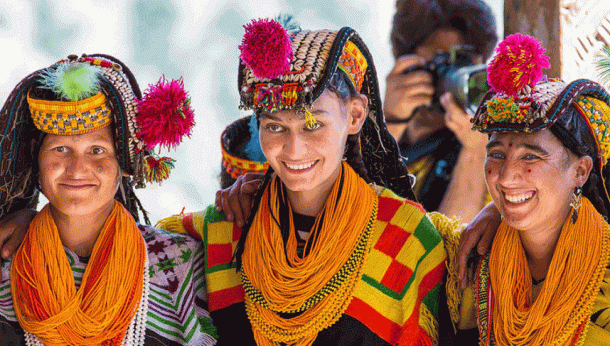
Photography: Islamabad is a photogenic city and photography is generally welcomed at tourist sites — Pakistan Monument, Daman-e-Koh, Faisal Mosque, the Lok Virsa Museum. Avoid photographing government buildings, military installations and checkpoints (which are clearly marked). Always ask permission before photographing local people, especially women — a smile and gesture is universally understood.
Tipping: Not mandatory but warmly appreciated. A tip of 200–500 PKR (approximately 60p–£1.50) is appropriate for a driver; 500–1,000 PKR for a full-day guide. Restaurant service charges are not standard — a 10% tip at a sit-down restaurant is generous. Tipping in PKR cash is preferable to card gratuities.
Alcohol: Alcohol is not served in most Pakistani restaurants or hotels. The Serena Hotel and a small number of international hotels in Islamabad hold permits to serve alcohol to non-Muslim guests — advise your coordinator if this is a priority. Bring a small personal supply in your checked luggage if required (within legal limits: two litres per non-Muslim traveller).
Food and water: Tap water in Islamabad should not be drunk — bottled mineral water (Nestle or Aquafina) is available everywhere for 50–80 PKR per 1.5L. Your guide will ensure a supply of bottled water throughout the day tour. Islamabad’s restaurant scene is excellent — Kohsar Market (F-7), Monal Restaurant at Margalla Hills, and the Food Street at Jinnah Super (F-7) all offer high-quality dining in clean environments popular with expatriates and international visitors.
Safety and Health Information
General safety: Islamabad is one of Pakistan’s safest cities and the one most familiar to international visitors. The capital has a very visible police and security presence, particularly around diplomatic enclave areas. Petty crime (pickpocketing) is low by South Asian standards. Exercise the same awareness you would in any unfamiliar city — keep valuables secure, stay with your guide in busy bazaars and avoid walking alone at night in unfamiliar areas.
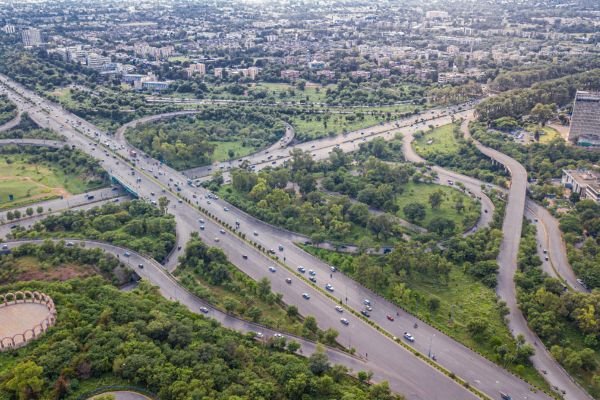
Road safety: Islamabad’s roads are well-maintained by Pakistani standards, and the dual-carriageway road network connecting the city sectors is among the country’s safest. Traffic is heavy during peak hours (8–10am and 5–8pm). Our drivers are experienced with Islamabad’s road network. Wear a seatbelt at all times — Pakistani law requires it and our vehicles are fully equipped.
Health precautions: No specific vaccinations are required for Islamabad, though the UK government (FCDO) recommends being up to date with routine vaccinations (MMR, typhoid, hepatitis A) before travel to Pakistan. Carry any prescription medications in labelled original packaging. A basic first aid kit with ibuprofen, antihistamine, diarrhoea remedy and antiseptic wipes is sensible for any Pakistan trip.
Altitude: Islamabad sits at 507 m above sea level — there is no altitude consideration for this day tour. If you are using the Islamabad Day Tour as the opening of a longer northern Pakistan itinerary (Hunza, Skardu, K2 Base Camp), you will acclimatise gradually as the trip progresses north.
Medical facilities: Islamabad has excellent private hospital facilities by regional standards. PIMS (Pakistan Institute of Medical Sciences) is the main public hospital (Sector G-8); Shifa International Hospital (H-8) and Islamabad Diagnostic Centre are the recommended private options for international visitors. Your travel insurance emergency line will direct you to the appropriate facility.
Emergency numbers: Police: 15 | Rescue: 1122 | Edhi Ambulance: 115 | Tourist Police helpline: 051-9208027. Save these in your phone on arrival. Your Passage to Pakistan guide carries a mobile at all times and is your primary point of contact for any in-tour emergency.
FCDO travel advice: The UK Foreign, Commonwealth & Development Office (FCDO) regularly updates travel advice for Pakistan at gov.uk/foreign-travel-advice/pakistan. Islamabad is generally rated as an area where visitors can travel but should exercise heightened awareness. Review the FCDO advice before departure and register your trip with the FCDO’s LOCATE service.
When to travel
Available year-round. Highlighted months are when we run this itinerary. Private departures can be arranged on any date — just ask.
Dates shown are guide departures. Exact start dates are confirmed at the time of booking and can be adjusted to suit your flights.
Plan your Explore Islamabad In A Day – Mosques, Mountains & Museums
Tell us your dates and we will build this itinerary around them — private guide, your pace, your interests. We reply within one working day.
Or call +92 342 5017535
Also explore: Lahore Day Tour · Peshawar Day Trip · Murree Day Trip · Islamabad Khanpur Ayubia · Khewra Salt Mine Tour · Ancient Pakistan 12 Days
Questions travellers ask
1. What are the top places covered in the Islamabad City Tour?
The tour typically includes visits to Faisal Mosque, Daman-e-Koh, Pakistan Monument, Lok Virsa Museum, Saidpur Village, and ends with panoramic views or dinner at Monal Restaurant in the Margalla Hills.
2. Is the tour suitable for solo travelers or families with kids?
Yes, this Islamabad sightseeing tour is perfect for solo tourists, couples, families, and even corporate groups. It’s a safe, fully guided experience with flexible stops and photo opportunities.
3. How long is the Islamabad city tour and what time does it start?
The tour usually runs for 6 to 8 hours, starting between 9:00 AM and 10:00 AM, depending on your pickup location. Custom timings can be arranged upon request.