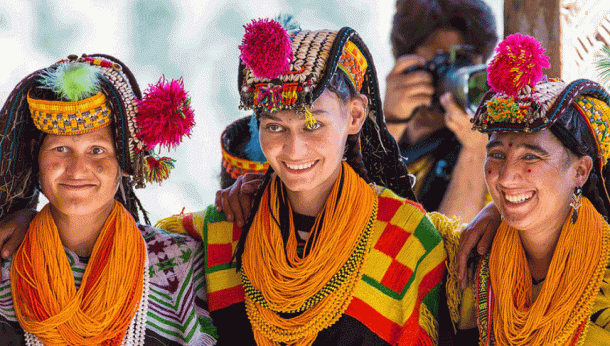
Ask most travellers about Pakistan and they’ll picture the towering peaks of the Karakoram in summer, or the legendary trekking routes to K2 and Nanga Parbat. What far fewer people realise is that winter — from November through to February — unlocks a completely different, and in many ways far more rewarding, side of this extraordinary country. For UK travellers in particular, Pakistan winter tours offer an unbeatable combination: comfortable temperatures, crowd-free heritage sites, remarkable value for money, and experiences that simply cannot be replicated anywhere else on earth.
This guide covers everything you need to know about visiting Pakistan in winter: where to go, what to expect, and why the cooler months may well be the very best time to plan your trip.
Why Winter Is One of the Best Times to Visit Pakistan
Perfect Temperatures for Sightseeing
Pakistan’s most celebrated cultural and heritage destinations — Lahore, Islamabad, Multan, Peshawar — are simply more pleasant to explore in winter than at any other time of year. From November to February, temperatures across central Punjab and the capital hover between 10°C and 22°C: crisp enough for brisk walking, warm enough for shirtsleeves in the afternoon sun. There’s no humidity, no monsoon rains, and no oppressive heat to limit what you can do or how long you can spend outside.
For Sindh — the southern province containing two of Pakistan’s UNESCO World Heritage Sites, Mohenjo-daro and the Makli Necropolis — winter is not merely preferable: it is the only comfortable season. Summer temperatures in this part of Pakistan regularly reach 45–50°C. Between November and February, daytime temperatures settle at a glorious 18–26°C, making this the ideal window to explore these ancient wonders without discomfort.
Low Season Advantages
Pakistan’s tourist numbers are modest by global standards at any time of year. In winter, they are smaller still — meaning you’ll often have famous monuments largely to yourself. There’s no need to book months in advance, no tour-group scrum at the Lahore Fort gates, and no inflated peak-season pricing. Accommodation options are often more flexible and affordable, and local guides have more time to spend with you.
Winter also coincides with some of Pakistan’s most atmospheric cultural events. The Urs — annual death-anniversary celebrations at the shrines of Sufi saints — fall throughout the calendar year, and several of the most vibrant occur in the winter months. Attending an Urs is one of those experiences that stays with you for life: devotional music, swirling dhamaal dancers, thousands of pilgrims, and an atmosphere of extraordinary spiritual intensity.
The Best Winter Destinations in Pakistan
Lahore — Pakistan’s Cultural Capital
No Pakistan winter tour is complete without spending time in Lahore. This is one of Asia’s great cities: a Mughal imperial capital, a centre of Sikh heritage, a powerhouse of South Asian culture and cuisine, and home to some of the most beautiful monuments on the subcontinent. January’s average temperatures of 8–18°C are frankly ideal for hours of walking through the Walled City’s labyrinthine bazaars.
The Lahore Fort and Shalimar Gardens together form a UNESCO World Heritage Site of staggering scope and beauty. The Badshahi Mosque, built by Emperor Aurangzeb in 1673, is among the most magnificent mosques anywhere in the world — its vast sandstone courtyard at dawn in winter mist is an image that haunts you long after you’ve returned home. Nearby, Jahangir’s Tomb and the tomb of his empress Nur Jahan are quieter, equally beautiful examples of Mughal craftsmanship.
The Lahore Museum deserves a full morning of your time. It houses what many scholars consider the world’s greatest collection of Gandharan Buddhist art, including the celebrated Fasting Siddhartha — a sculpture of such psychological intensity that Rudyard Kipling, whose father was its curator, used it to open Kim. And in the evenings, Lahore’s legendary Food Street serves Pakistani cuisine at its finest: slow-cooked nihari, bubbling karahi, and flaky halwa puri for a winter breakfast that will recalibrate your understanding of what food can be.
Islamabad and Rawalpindi
Pakistan’s modern capital is an excellent base for winter travel: well-organised, with good flight connections and comfortable hotels at every price point. The Faisal Mosque, one of the world’s largest, sits dramatically at the foot of the Margalla Hills — worth visiting at multiple times of day as the light shifts. The adjacent old city of Rawalpindi offers a compelling contrast: its bazaars, particularly the metalware and spice markets, are full of character.
A winter day trip to Taxila, 35 kilometres from Islamabad, is unmissable. This ancient city was one of the most important centres of Buddhist learning in the ancient world, and its archaeological museum is outstanding. The Murree Hills, just 1.5 hours away, sometimes receive snowfall in January and February — a popular excursion for Pakistani families and a lovely contrast to the city.
Sindh: Karachi, Mohenjo-daro, and the Makli Necropolis
If there is one part of Pakistan where visiting in winter is not merely preferable but essentially mandatory, it is Sindh. Come in summer and you’ll struggle to spend more than a few minutes outside; come in winter and you’ll find one of the world’s most remarkable archaeological landscapes at its most accessible and beautiful.
Mohenjo-daro — a UNESCO World Heritage Site and one of the largest cities of the ancient Indus Valley Civilisation, built around 2500 BCE — is a place of genuinely profound historical resonance. Walking its planned streets and brick drainage systems in the cool winter air, you’re moving through a city that was contemporary with ancient Egypt and Mesopotamia, yet almost entirely unknown to the wider world. Between November and February, temperatures of 18–24°C make extended exploration a pleasure.
The Makli Necropolis, near the town of Thatta, is one of the largest funerary sites in the world: a vast landscape of royal tombs spanning several centuries of Sindhi history, with Islamic geometric decoration of remarkable sophistication. Nearby, the Shah Jahan Mosque in Thatta dazzles with its blue-and-white glazed tile interior — one of Pakistan’s most beautiful interiors and far less visited than it deserves to be.
Karachi itself, Pakistan’s largest city and commercial capital, rewards a day or two. The National Museum of Pakistan houses the finest collection of Indus Valley artefacts in the country. The coastline, Clifton Beach, and the city’s extraordinary restaurant scene — Sindhi seafood, sajji (whole roasted lamb), and some of the best biryani you’ll taste anywhere — make for a full and memorable visit.
Multan — The City of Saints
Multan is often overlooked by first-time visitors to Pakistan, which makes it all the more rewarding for those who seek it out. Located in southern Punjab, this ancient city is one of the oldest continuously inhabited places in South Asia — and in winter (January averages of 8–20°C) it is perfectly comfortable to explore.
The Shrine of Shah Rukn-e-Alam, built in the 14th century, is one of the most beautiful buildings in Pakistan: a vast octagonal mausoleum rising above the city, its blue-and-white tilework catching the winter light magnificently. The adjacent Shrine of Bahauddin Zakariya, one of the most important Sufi shrines in South Asia, draws pilgrims from across the subcontinent. Multan’s old bazaars are also famous for their blue pottery and hand-embroidered crafts — perfect for winter shopping.
Peshawar and Khyber Pakhtunkhwa
Peshawar — one of the oldest cities in South Asia, a crossroads of civilisations at the entrance to the Khyber Pass — is a compelling winter destination. Mornings are cold (January lows around 4°C) but afternoons warm to a pleasant 14–16°C. The Old City, centred on the Qissa Khwani Bazaar (the Storytellers’ Bazaar), is one of the most atmospheric streetscapes in Asia. The Peshawar Museum houses another superb collection of Gandharan Buddhist sculpture, rivalling Lahore’s in quality and surpassing it in the variety of its exhibits.
Takht-i-Bahi, a UNESCO-listed Gandharan Buddhist monastery 80 kilometres east of Peshawar, is among the best-preserved ancient monastic complexes in Asia — and in winter, with its hillside setting and clear skies, it is extraordinarily beautiful. Taxila is also accessible as a day trip from Peshawar.
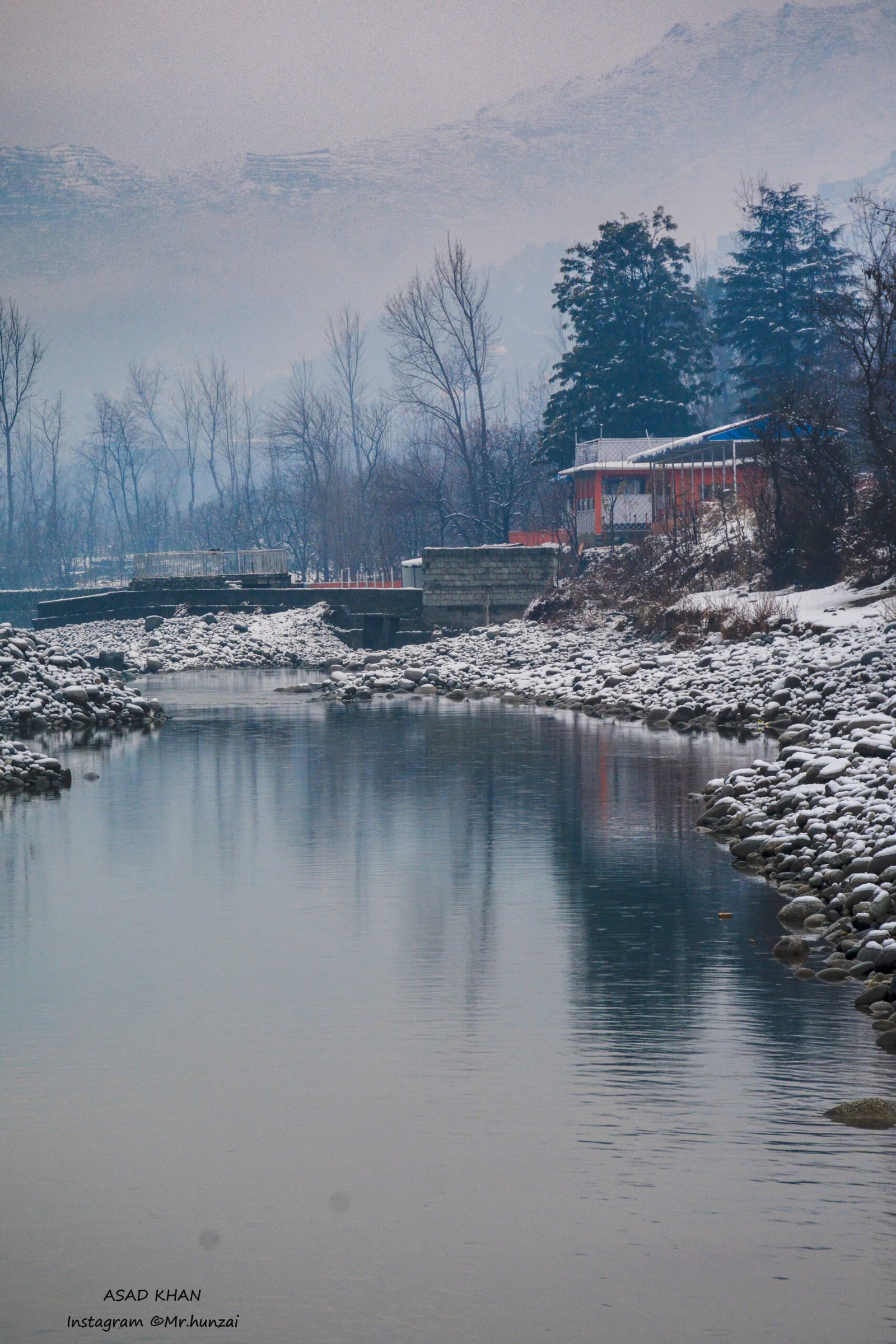
Note that the higher reaches of Khyber Pakhtunkhwa — upper Swat, Chitral, Gilgit-Baltistan — are inaccessible or significantly restricted in winter. The Khunjerab Pass into China closes by November. Lower Hunza (Karimabad and surroundings) remains accessible, offering dramatically snow-dusted mountains and the near-total absence of other visitors — but temperatures are cold (January: -2 to 8°C), so pack accordingly.
Sufi Music, Shrines, and Cultural Experiences
One of the most distinctive and moving aspects of winter travel in Pakistan is the chance to experience the country’s living Sufi traditions at close quarters. At the Shrine of Data Ganj Bakhsh (Data Darbar) in Lahore — the largest Sufi shrine in South Asia — the atmosphere any evening is extraordinary: devotional qawwali music, pilgrims from across the country, and an intensity of spiritual atmosphere unlike anything in European experience.
In Sindh, the Shrine of Lal Shahbaz Qalandar at Sehwan Sharif draws thousands every Thursday night for the dhamaal — ecstatic devotional dance performed to the beat of enormous drums. It is one of the most viscerally powerful public ceremonies in the world, and winter makes the journey to Sehwan far more manageable.
Suggested Pakistan Winter Itineraries
7-Day Punjab Winter Heritage Tour
This compact itinerary is ideal for a first visit. Fly into Lahore and spend four full days exploring the Fort, Badshahi Mosque, Shalimar Gardens, the Walled City bazaars, Jahangir’s Tomb, and Lahore Museum — with evenings on Food Street. Then travel to Multan for two nights: the shrines of Shah Rukn-e-Alam and Bahauddin Zakariya, the old bazaars, and the blue pottery workshops. Finish with a night in Islamabad — Faisal Mosque, a Taxila day trip — before flying home.
10-Day Classic Pakistan Winter Tour
Begin with three nights in Lahore, covering the city’s major monuments and food scene. Travel to Multan for one night, then fly to Karachi, using it as a base for a day trip to Thatta and the Makli Necropolis, including the Shah Jahan Mosque. Make an overnight excursion to Mohenjo-daro before returning to Karachi for a final night. Fly to Islamabad, visit Taxila, spend a night in Peshawar (Old City, Peshawar Museum, Takht-i-Bahi), and return to Islamabad to fly home.
14-Day Comprehensive Pakistan Winter Tour
For those with more time, this extended itinerary adds lower Hunza to the mix. After Lahore (3 nights), Multan (2 nights), Karachi and Sindh (3 nights including Mohenjo-daro), and Peshawar (2 nights with Taxila and Takht-i-Bahi), fly to Islamabad and drive north to lower Hunza for two nights. Karimabad in winter is a revelation: snow-covered mountains, no crowds, Baltit and Altit Forts open, and views amongst the finest in the world. Return to Islamabad for a final night before flying home.
Practical Information for UK Travellers
What to Pack
For Lahore, Islamabad, Multan, and Peshawar: bring layers. Daytime temperatures can be warm enough for a light shirt, but mornings and evenings drop sharply — a warm fleece or jacket is essential. For Sindh (Karachi, Mohenjo-daro, Thatta): light summer clothes are entirely appropriate. For lower Hunza: a proper winter jacket, thermal layers, and waterproof shoes are essential.
Flights from the UK
The main airlines connecting the UK to Pakistan are Emirates (via Dubai), Qatar Airways (via Doha), and Turkish Airlines (via Istanbul), all serving Lahore (LHE), Islamabad (ISB), and Karachi (KHI). Winter is not peak season for these routes, so return fares from around £500–800 are achievable with reasonable advance booking — significantly cheaper than comparable journeys to Southeast Asia or India during the same period.
Visa
UK citizens can apply for a Pakistan e-Visa through the official NADRA portal at visa.nadra.gov.pk. The fee is approximately £35–45 for a 30-day tourist visa. Apply at least two weeks before your intended departure date. The process is straightforward and approval times have improved markedly in recent years.
Travel Insurance
Comprehensive travel insurance — including medical evacuation cover — is essential. Ensure your policy covers the specific regions you intend to visit.
Plan Your Pakistan Winter Tour with Passage to Pakistan
At Passage to Pakistan, we specialise in expertly guided tours of Pakistan for UK travellers — and we know better than anyone that winter is one of the finest times of year to visit. We handle everything: flights, accommodation at carefully selected hotels, expert local guides, all internal transport, and the logistical groundwork that makes the difference between a stressful trip and a seamless, deeply rewarding journey.
Whether you’re drawn by the Mughal monuments of Lahore, the ancient cities of Sindh, the Sufi shrines of Multan, or the dramatic mountain scenery of lower Hunza in the snow, we can build a bespoke Pakistan winter tour around your interests, schedule, and budget. We offer both small-group departures and fully tailor-made private itineraries for couples, families, and solo travellers.
Contact us today to start planning your Pakistan winter tour — and discover why this extraordinary country is one of travel’s best-kept secrets, especially in the winter months.