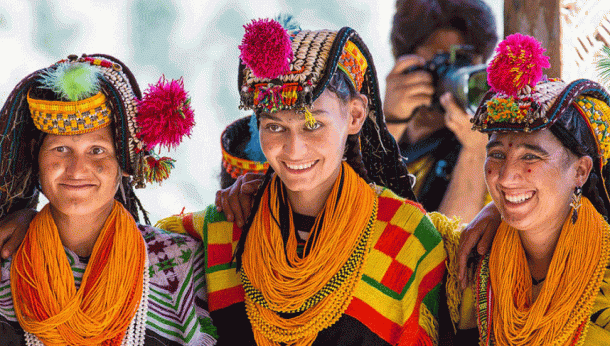
Tucked into the north-western corner of Pakistan, where the mighty Hindu Kush mountains meet the sky, Chitral and the Kalash Valley offer a journey unlike anything else available to UK travellers today. This is a land of snow-dusted peaks, ancient fortress towns, and a tiny indigenous community — the Kalash people — whose polytheistic traditions and vibrant festivals have survived for thousands of years. If you are looking for a Chitral Kalash Valley tour from the UK that combines natural grandeur with genuine cultural immersion, this complete 2026 guide has everything you need to plan your trip.
Why Chitral Is One of Pakistan’s Most Special Destinations
Chitral sits at roughly 1,500 metres above sea level in what was once the independent princely state of Chitral, now part of Khyber Pakhtunkhwa province. The surrounding Hindu Kush range — one of the world’s great mountain systems, stretching across Pakistan, Afghanistan, and Tajikistan — forms a dramatic amphitheatre of peaks that tower above 7,000 metres. Tirich Mir, at 7,708 metres, is the highest point of the Hindu Kush and looms magnificently over Chitral town itself.
What makes Chitral truly extraordinary for travellers from the UK is the combination of landscapes and living cultures that simply cannot be found together anywhere else. Within a short drive of the main town you can walk through juniper forests, swim in glacial rivers, visit a medieval fortress, and sit as a guest at the festival of a pre-Islamic tribe whose roots are debated among historians, with some scholars linking the Kalash to ancient Greek settlers who followed Alexander the Great through these passes in 326 BC.
The Kalash people — numbering roughly 4,000 — live in three high side-valleys that feed into the Chitral River: Bumburet, Rumbur, and Birir. Their villages of wooden houses stacked up steep hillsides, their brightly coloured feathered headdresses, and the sound of their drums and singing at festival time are utterly unlike anything in the rest of Pakistan. The Kalash valleys are a UNESCO Intangible Cultural Heritage candidate, and there is a genuine sense that visiting them now, as respectful and curious travellers, helps sustain this community and its traditions.
For UK travellers seeking something beyond the standard holiday, Chitral and the Kalash valleys represent one of the world’s great cultural journeys — accessible, safe with a reputable tour operator, and astonishing in its rewards.
Best Time to Visit Chitral and the Kalash Valley in 2026
Chitral has a semi-arid highland climate, which means warm summers, cold winters, and snow that can close the Lowari Pass between November and April. Choosing the right time to visit is essential to getting the most from your Chitral travel experience in 2026.
May: Chilam Joshi Festival
May is arguably the most exciting time to visit the Kalash valleys. Chilam Joshi is the Kalash spring festival, usually held in the second week of May, and it is one of the most visually stunning cultural events in all of South Asia. Women and girls dress in their finest black robes adorned with bead necklaces, cowrie shells, and the iconic shushut — a towering headdress decorated with buttons, feathers, and flowers. Dancing continues through the night around bonfires, and the singing echoes off the valley walls.
May also brings mild temperatures (around 20–25°C in the valleys) and the fresh greenery of spring after the snowmelt. Roads are generally open by this time, though the Lowari Tunnel, which bypasses the old Lowari Pass, now keeps the Chitral road open year-round.
September and October: The Golden Season
For those who prefer fewer crowds and even more spectacular scenery, September and October are ideal. The monsoon moisture that affects lower Pakistan barely reaches Chitral, so skies are reliably clear. Daytime temperatures sit between 15 and 22°C — perfect for walking and sightseeing. The trees in the Kalash valleys turn gold and copper, and the harvest season brings another Kalash festival: Uchal in August and the even larger Choimus in December, though December temperatures can drop sharply.
Avoid January and February unless you are specifically interested in winter landscapes — roads can be difficult and many guesthouses close. June to August brings the summer heat and some tourist traffic, but the scenery is magnificent.
How to Get to Chitral from the UK
Getting to Chitral from the United Kingdom requires an international flight to Pakistan followed by an onward domestic connection or a scenic overland drive. Most UK visitors fly into Islamabad International Airport (ISB), which is well served by Pakistan International Airlines (PIA), Turkish Airlines, Qatar Airways, Oman Air, and British Airways.
By Air: Islamabad to Chitral
PIA operates scheduled flights between Islamabad and Chitral Airport (CJL) — a short 45-minute hop over the Hindu Kush. This is the fastest and most comfortable option, and the flight itself offers extraordinary aerial views of the mountain ranges below. Seats are limited and flights fill quickly in peak season, so book well in advance. Your tour operator should handle this domestic booking as part of your package.
Note that Chitral Airport flights are weather-dependent. Cloud cover over the passes can cause cancellations, which is why having one or two buffer days built into your itinerary is always wise.
By Road: The Lowari Tunnel Route
The completion of the Lowari Tunnel — at 8.5 km, one of the longest road tunnels in Pakistan — has transformed overland access to Chitral. The drive from Islamabad takes approximately 8 to 10 hours via Dir and the tunnel, passing through verdant valleys and dramatic gorges. Many travellers combine a road journey one way with a flight the other, enjoying the scenery of Dir and the Panjkora River valley on the ground.
An alternative and considerably more adventurous route is via the Shandur Pass from Gilgit, but this road is seasonal, unpaved in sections, and best suited to jeep-based expeditions in summer.
What to See: Top Attractions in Chitral and the Kalash Valleys
Chitral Fort
Dominating the eastern bank of the Chitral River, Chitral Fort is a historic royal residence that was at the centre of the famous Siege of Chitral in 1895, when a small British and Chitrali garrison held out for 46 days until relief arrived. The fort remains partially occupied by the ruling Chitral family, and parts are open to visitors. The views from the battlements over the town and towards Tirich Mir are unforgettable. The fort is best visited in the morning light.
Bumburet Valley
Bumburet is the largest and most accessible of the three Kalash valleys, roughly 36 km south of Chitral town. The valley road winds through walnut and mulberry orchards before opening into a series of Kalash villages. Anish, Krakal, and Batrik are the main settlements, each with a distinctive jestakan (dancing place) and wooden carved effigies. Bumburet has the most guesthouses and the highest visitor numbers, but the villages retain their authentic character.
Rumbur Valley
Rumbur lies parallel to Bumburet and is quieter and less visited, making it a wonderful choice for travellers who want a more intimate encounter with Kalash daily life. The village of Guru sits at the head of the valley and the Kalash community here is particularly welcoming to respectful visitors. Rumbur is also a base for trekkers heading toward the Afghan border ridges.
Birir Valley
The most remote of the three valleys, Birir is considered by many anthropologists to preserve the most traditional forms of Kalash culture. The valley population is smaller and the non-Kalash influence is lower. Getting here requires a separate jeep track from Chitral. The shrine complex at the top of Birir is an important religious site for the Kalash and should be treated with great respect.
Shandur Pass and the Polo Festival
At 3,734 metres, Shandur Pass is known as the “Roof of the World” and hosts the annual Shandur Polo Festival, usually held in July. This remarkable event sees the traditional teams of Chitral and Gilgit compete at polo on the world’s highest polo ground, with thousands of spectators camping on the plateau. The pass itself is a high-altitude plateau of wild beauty, dotted with lakes and grazed by yaks. Even without the festival, the drive from Chitral over Shandur to Gilgit — or vice versa — is one of the great mountain road journeys in Asia.
The Kalash People: Culture, Customs, and Photography Etiquette
The Kalash are one of the world’s smallest indigenous groups and one of the few remaining non-Muslim communities in Pakistan. Their religion is animistic and polytheistic, centred on a pantheon of gods and nature spirits. Dezao is the supreme deity, and the Kalash maintain a complex ritual calendar of festivals tied to agricultural seasons and religious observances.
Visiting the Kalash valleys is a privilege, and responsible tourism requires a genuine commitment to cultural respect. Here is what you need to know:
- Dress modestly when visiting villages. While the Kalash themselves dress distinctively, foreign visitors should cover shoulders and knees out of respect for the broader community.
- Ask before photographing. Many Kalash women, particularly older women, prefer not to be photographed. Always ask permission, and accept refusal graciously. Never offer money in exchange for photographs — this is disrespectful and harmful to the community.
- Do not enter the bashali (the menstrual house, a women-only ritual space) or any shrine area unless explicitly invited and guided by a community member.
- Buy local. Purchase handicrafts, woollen goods, and embroidery directly from Kalash women’s cooperatives rather than from outside vendors. This ensures money flows to the community.
- Travel with a reputable operator. A good tour company will brief you thoroughly on etiquette before you arrive and connect you with Kalash guides who can provide proper cultural context.
The Kalash community is under significant social and economic pressure. Respectful, well-managed tourism is genuinely beneficial — it provides income, international attention, and a reason to preserve traditions that might otherwise fade.
Accommodation in Chitral and the Kalash Valleys
Accommodation in this region ranges from comfortable hotels in Chitral town to simple but characterful guesthouses in the Kalash valleys themselves.
Chitral Town
Mountain Inn & Resort and Chitral Inn are the two most established hotels in Chitral, both offering en-suite rooms, reliable hot water, and restaurant facilities. For a more boutique experience, several family-run guesthouses offer clean rooms and exceptional home cooking. Expect to pay between £25 and £60 per room per night depending on season and standard.
Kalash Valley Guesthouses
In Bumburet, a handful of Kalash-run guesthouses offer basic accommodation — clean beds, shared bathrooms, and simple meals of local bread, lentil soup, and seasonal vegetables. Staying in valley guesthouses rather than day-tripping from Chitral is strongly recommended: evenings in the village, when the day visitors have gone and the community settles into its own rhythms, are the most memorable times of any Chitral Kalash Valley tour.
Camping
For those combining a Chitral trip with trekking toward Shandur or into the side-valleys above Rumbur, camping is the obvious option. Your tour operator will arrange tents, sleeping equipment, and a cook, allowing you to experience the absolute silence of a Hindu Kush night sky.
Chitral Kalash Valley Tour Packages from the UK
Passage to Pakistan designs specialist Chitral and Kalash Valley tour packages from the UK tailored to British travellers, covering all international and domestic flights, ground transport, accommodation, and the services of expert local guides. Our itineraries range from focused 7-day Chitral and Kalash escapes to extended 14-day adventures that combine Chitral with the Hunza Valley or a Shandur Pass crossing to Gilgit.
All our Pakistan tour packages from the UK include:
- Return international flights from London Heathrow or Manchester to Islamabad
- Domestic Islamabad–Chitral–Islamabad flights (or overland with scenic drives)
- All accommodation as specified (hotels in Chitral, guesthouses in the Kalash valleys)
- Full-board meals throughout
- English-speaking local guide and dedicated driver
- Cultural briefings and Kalash community introductions
- All entrance fees and permits
- 24/7 in-country support from our Islamabad office
Whether you want a private tour designed around your own dates and interests, or prefer to join a small-group departure, we have options to suit. Browse all Pakistan tour packages or contact our team for a personalised Chitral Kalash Valley itinerary built around your travel dates in 2026.
Safety and Visa Information for UK Travellers to Chitral
Visa Requirements
UK citizens require a visa to visit Pakistan. The good news is that Pakistan introduced an e-visa system which allows British passport holders to apply online without visiting an embassy. Tourist visas are typically issued for 30 or 90 days and can usually be processed within 5 to 7 working days. The fee as of 2026 is approximately USD $50 for a single-entry tourist visa.
Passage to Pakistan provides full visa guidance and documentation support to all clients booking a Chitral Kalash Valley tour from the UK. Our team will advise you on exactly what is required and review your application documents before submission.
Safety in Chitral
Chitral has a strong tradition of hospitality to foreign visitors and has historically been one of Pakistan’s most stable and welcoming regions. The FCDO (Foreign, Commonwealth and Development Office) advises British nationals to check current travel advisories before visiting any part of Pakistan, and Chitral falls under guidance that recommends travelling with a reputable, knowledgeable local operator.
When you travel with Passage to Pakistan, our local team has daily contact with ground partners in Chitral and monitors conditions continuously. We will never operate or run a tour to an area we do not consider safe for our clients. The vast majority of travellers who visit Chitral return having experienced nothing but warmth and hospitality from local communities.
Health Precautions
Standard Pakistan health precautions apply. UK travellers should ensure their routine vaccinations are up to date and consult their GP or a travel health clinic at least 6–8 weeks before departure. Hepatitis A, Typhoid, and Tetanus boosters are commonly recommended. At higher altitudes around Shandur, acclimatisation is important — your itinerary should allow for gradual ascent if you are combining Chitral with high passes.
Travel insurance covering medical evacuation is essential and should be arranged before departure. Our team can advise on appropriate policies for adventure travel in mountainous Pakistan.
Frequently Asked Questions: Chitral Kalash Valley Tour from the UK
When is the Chilam Joshi festival in 2026?
Chilam Joshi is expected to take place in the second week of May 2026. The exact dates are confirmed by the Kalash community closer to the time. Our 2026 Chitral tour departures are scheduled around this festival — check availability and book early as spaces are limited.
Do I need a special permit to visit the Kalash valleys?
There is no separate permit required for UK visitors to visit the Kalash valleys as part of a standard tourist visa. Your guide will carry all necessary documentation for entry to the valley areas.
How physically demanding is a Chitral Kalash Valley tour?
A standard sightseeing tour of Chitral and the Kalash valleys requires only a moderate level of fitness — comfortable walking on uneven paths, some steps, and jeep rides on mountain roads. If you are adding trekking to your itinerary (such as the Shandur crossing or berking above Rumbur), a reasonable level of fitness and a head for heights is recommended. We grade all our itineraries clearly so you can choose the right trip for your fitness level.
What is the best way to combine Chitral with other Pakistan highlights?
Chitral combines beautifully with the Hunza Valley (via Shandur Pass in summer, or fly Chitral–Islamabad–Gilgit in other seasons), Swat Valley (on the drive back toward Islamabad via Dir), and Islamabad’s museums and bazaars. Many of our Pakistan tour packages combine two or more of these destinations into a single unforgettable journey.
Start Planning Your Chitral Kalash Valley Tour Today
The Chitral and Kalash Valley region is genuinely one of the world’s hidden travel treasures — known to those who have been, barely known to those who haven’t. For UK travellers ready to look beyond the usual destinations and discover a corner of the world where ancient traditions are alive and mountains rise beyond imagination, this is the journey that will stay with you for a lifetime.
Passage to Pakistan has deep expertise in this region and a genuine commitment to responsible, community-respecting travel. Our team includes guide partners who have worked in Chitral for decades and know the Kalash communities personally.
Explore our Pakistan tour packages and Chitral Kalash Valley tours from the UK, or get in touch with our team to discuss a personalised 2026 itinerary. We would love to help you plan this extraordinary journey.